
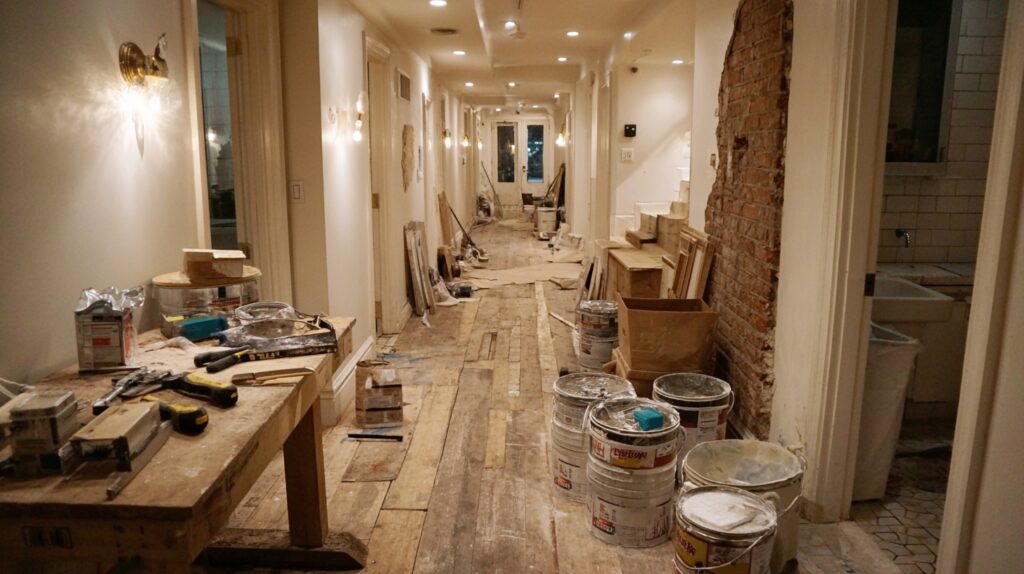
Apartment renovation projects in New York City rarely go off track because of tile color. They usually go off track because the building package, permit path, bid gaps, and trade coordination were treated like side issues instead of part of the job. Choosing the right apartment renovation contractor is really about hiring a team that can manage paperwork, sequencing, and building constraints as well as construction itself.
The cheapest bid is rarely the cheapest finished project. In apartments, a contractor can look affordable on paper and still become expensive once missing scope, building requirements, access limits, permit triggers, and weak communication start turning into change orders and delays. That is why the smartest way to hire is to define the scope clearly, build the budget as a range, verify licensing and insurance, compare itemized quotes on equal terms, and choose a contractor with proven experience in apartments like yours.
This guide explains how to define the project, set a realistic budget and timeline, find reliable apartment renovation contractors, verify credentials and relevant experience, compare quotes properly, evaluate communication, check references and portfolios, protect yourself with the right contract terms, and monitor the project without letting problems sit too long.
What Matters Most Before You Hire a Contractor
- Start with the building package, not just your wish list. Co-op and condo rules can shape scope, timing, and contractor selection before demolition begins.
- Build the renovation budget as a range. For planning purposes, a smaller non-gut apartment project usually needs a contingency of 10% to 15%, while a full gut usually needs 15% to 20%.
- Request at least three itemized written quotes. Compare the same scope across all of them.
- Verify licensing, insurance, complaint history, and permit responsibility. Ask who handles filings and who brings in licensed trades.
- Use weekly updates and written change orders. Apartment jobs have too many moving parts for verbal memory to run the project.
Start by Defining the Real Scope of the Renovation
In apartment work, scope needs to be spelled out before finishes take over the conversation. Your renovation scope should name every room, every trade, every layout change, and every responsibility. If the scope stays gray, bids stop being comparable and change orders start breeding.
Start with the apartment itself, then move to materials. In NYC, building rules, plumbing locations, wet-area restrictions, permit triggers, hallway protection, work-hour rules, and insurance paperwork shape the design long before cabinet hardware or tile choices do.
- Rooms and priorities: list every room included and separate must-have work from nice-to-have upgrades.
- Layout changes: identify wall removals, door changes, circulation changes, and any space reconfiguration early.
- Wet areas: decide whether the kitchen and bathroom stay in place or move. In many buildings, moving plumbing triggers heavier review and more expensive coordination.
- Materials and allowances: define the expected finish level for cabinets, flooring, fixtures, appliances, and tile so bids are not pricing budget materials while you are imagining custom work.
- Responsibility list: confirm who handles demolition, hauling, permits, subcontractors, building paperwork, and final cleanup.
One of the simplest ways to avoid confusion is to request the building’s alteration package before the design is locked. In many co-ops and condos, missing one insurance certificate, board form, or work-hour condition can delay the entire start date by weeks.
How to Set a Realistic Apartment Renovation Budget
A realistic budget is not one number. It is a working range, a ceiling, and a contingency you hope not to touch. Apartment renovations in NYC become expensive when owners treat the budget as a wish instead of a structure.
For planning, the job should be budgeted in layers: core scope, finish level, building-related costs, and contingency. Kitchens and bathrooms should be treated as budget drivers because they combine layout, plumbing, electrical, waterproofing, finish work, and building coordination in one place. Layout changes also need a real payoff in function, storage, or resale value, because they usually increase both cost and risk.
- Core scope: demolition, framing, plumbing, electrical, flooring, tile, painting, finish carpentry, cleanup.
- Finish level: cabinets, fixtures, appliances, stone, custom glass, lighting, and specialty materials.
- Building and filing costs: alteration package fees, insurance requirements, delivery rules, haul-out, permits, and professional filings where needed.
- Contingency: 10% to 15% for non-gut work, 15% to 20% for a gut renovation.
It also helps to match your move-out or move-in plan to the hardest phase of the job, not the final cosmetic week. Many owners assume they can live around a project until they hit the roughest stage and realize the apartment is no longer functioning like an apartment.
Budget Pressure Usually Comes From the Same Places
Most apartment renovation budgets get squeezed in predictable ways. The usual pressure points are layout changes, wet-area changes, hidden conditions, building restrictions, and material upgrades that were not priced honestly at the start.
- Layout changes: moving walls, doors, and circulation patterns often affects drawings, permits, and trades.
- Kitchen and bathroom changes: plumbing moves, waterproofing, electrical additions, and custom finishes raise the number quickly.
- Older-building conditions: out-of-level floors, hidden patchwork, aging risers, uneven walls, and deteriorated subfloor often appear after demolition.
- Building rules: elevator reservations, delivery windows, hallway protection, insurance certificates, work-hour limits, and board review all create cost and timing friction.
- Allowance problems: vague or unrealistically low allowances are one of the easiest ways a quote looks cheap before the job and expensive during it.
That is why a contingency fund belongs under the owner’s control, not buried inside a vague contract total. It is supposed to protect you from actual hidden conditions, not quietly pay for scope that should have been priced in from the start.
How to Find a Contractor Who Actually Fits Apartment Work
Start with contractors who already work in apartments like yours. A team that does excellent house work or exterior work may still struggle with freight elevator windows, building paperwork, neighbor sensitivity, occupied common areas, and the tighter sequencing that apartment renovations demand.
That means a strong apartment contractor should already understand things like hallway protection, elevator reservations, delivery coordination, shared-building etiquette, and the difference between a permit-sensitive project and a simpler cosmetic one. You are not just hiring for craftsmanship. You are hiring for process.
How to Read Reviews Without Being Lazy About It
Online reviews matter, but only if you read them like a project manager instead of a tourist. A five-star rating with no detail tells you much less than a review that explains schedule, change orders, site protection, cleanup, and how the contractor handled problems.
- Focus on reviews from the last 12 to 24 months.
- Give extra weight to reviews that mention apartment kitchens, bathrooms, or full apartment renovations similar to your scope.
- Watch for repeated complaints about poor communication, missed deadlines, or surprise charges.
- Read the contractor’s responses to criticism. Defensive or evasive replies during hiring usually get worse during construction.
- Look for in-progress photos, not just finished styling shots.
Complaint history matters too. Reviews tell you how the contractor looked from the outside. Complaint history and licensing checks tell you how cleanly they operate when the paperwork is involved.
Where Good Referrals Usually Come From
Referrals are strongest when they come from people who renovated apartments, not suburban houses. In NYC, the best referral often comes from someone in the same kind of building, or even the same building, because that contractor already knows the rules that slow everyone else down.
- Neighbors, friends, or family who completed similar apartment work recently
- Building management, your co-op board, or the superintendent
- Architects and interior designers who have already seen the contractor handle drawings, revisions, and site coordination
- Suppliers and showrooms that know which firms are organized and consistent
If one company gets recommended by several unrelated sources, that is usually a stronger signal than one glowing referral from someone whose project barely resembles yours.
Verify Credentials Before You Start Comparing Design Ideas
Before you fall in love with any contractor’s portfolio, confirm that the company can legally and safely do the work. Good craftsmanship means very little if the permit trail, insurance, or licensed trade handling is weak.
- License check: for NYC apartment work over $200, the business should hold the right home improvement license.
- Business identity: make sure the legal name on the license matches the proposal and contract.
- Insurance: ask for current general liability and workers’ compensation certificates.
- Licensed trades: if the job includes plumbing, gas, or electrical work, ask exactly who the licensed trade partners are.
- Permit responsibility: ask who files plans, who pulls permits, and whether a registered architect or engineer is needed.
- Building requirements: many co-ops and condos require a certificate of insurance that names the building and management in a specific way.
If a contractor hesitates to share a license number, insurance certificate, or recent permit history, you already have your answer.
Relevant Experience Means More Than Years in Business
Relevant experience is not just how long the company has existed. It is whether the contractor has handled apartments with the same constraints you have: prewar walls, tight freight access, strict work hours, co-op review, kitchen and bathroom work happening together, or full-apartment sequencing in an occupied building.
- Ask for at least three recent references tied to similar scope and budget level.
- Request one close-up portfolio from the last two to three years.
- Ask what went wrong on a recent project and how the contractor fixed it.
- Find out who actually supervised the site day to day.
- Give extra weight to contractors who understand your building era, whether prewar, postwar, or newer condo construction.
A beautiful suburban addition tells you almost nothing about how a team handles a sixth-floor co-op with strict freight elevator rules and old plaster walls. Apartment experience needs to be specific, not just adjacent.

How to Request and Compare Quotes Without Fooling Yourself
Ask every contractor to price the same scope. If one bid includes demolition, haul-out, permits, waterproofing, and cleanup while another quietly skips them, the lower number is not lower. It is incomplete.
A written estimate should let you audit the project line by line. If you cannot tell what you are paying for, you cannot control the budget. A strong quote usually shows:
- Scope of work: demolition, framing, plumbing, electrical, flooring, tile, painting, finish carpentry, and cleanup
- Labor and materials: separate line items where possible
- Allowances: realistic dollar amounts for tile, fixtures, appliances, and millwork
- Permits and fees: filing costs, building fees, disposal, and any expediting or coordination costs
- Timeline: a start window, milestone sequence, and finish target
- Payment schedule: tied to completed work, not vague dates
- Change-order procedure: written approval before extra work begins
- Site protection: hallway protection, dust control, debris removal, and daily cleanup
- Warranty and punch-list terms: how closeout will work and what workmanship warranty applies
- Exclusions: the part of the quote where budget surprises like to hide
The best way to compare quotes is to line them up in one grid and compare scope first, schedule second, and price third. Price only becomes meaningful once the scope is actually equal.
What a Strong Apartment Quote Looks Like
Strong quotes usually feel specific and slightly boring. That is a good sign. They acknowledge building coordination, permit realities, timeline logic, and how allowances and exclusions work. Weak quotes feel easy and exciting until the missing parts start billing later.
- Scope match: same rooms, same trades, same finish assumptions
- Material allowances: clearly stated and realistic
- Timeline logic: reflects approvals, rough-ins, inspections, and finish sequencing
- Payment terms: modest deposit and milestone-based progress payments
- Change orders: written process and stated markup policy
- Building coordination: insurance, access, deliveries, and debris handling addressed directly
If a quote looks very fast but says almost nothing about permits, building review, or trade coordination, it is probably not fast. It is just thin.
Communication Is Part of the Construction Process
In apartment remodeling, communication is not customer-service fluff. It is part of the actual build. With separate trades, inspections, deliveries, building access rules, and owner decisions constantly in motion, vague updates create real cost and schedule damage.
Good communication feels specific. You know who is in charge, what happened this week, what decisions are pending, and what may delay the job. That usually means:
- one clear point of contact
- a written weekly update
- written change orders before extra work begins
- progress photos during behind-the-wall stages
- clear explanations of what the contractor is waiting on from you, the building, or the city
If a contractor takes days to answer basic pre-sale questions, expect the same pace once your apartment is open, dusty, and waiting on decisions.
Why a Collaborative Contractor Usually Produces a Better Job
A collaborative contractor does not guard information or act as though coordination is optional. They work with your architect or designer, the superintendent, and the licensed trades early enough that conflicts show up on paper instead of during demolition.
- You: set priorities, approve selections, and make timely decisions.
- The contractor: manages sequencing, subcontractors, safety, and site protection.
- The architect or engineer: handles drawings, filings, and code-sensitive decisions when required.
- Building management: controls work hours, insurance, deliveries, and common-area protection.
The better those roles are defined before construction begins, the less the project depends on improvisation later.
How to Check References and Portfolios Like They Matter
References tell you how the project felt once the dust settled. Portfolios tell you how the project looked. You need both. But you also need to ask questions that expose process, not just charm.
- Did the final cost stay close to the original contract, and if not, why?
- How many change orders came from homeowner choices versus hidden conditions?
- Did the contractor protect hallways, elevators, and common areas properly?
- Was the site cleaned regularly, or did the apartment feel chaotic for months?
- Did punch-list items get resolved without repeated chasing?
- Would the client hire the same team again?
For the portfolio, inspect close-up finish details, before-and-after context, projects in your building type, and recent work from the last two to three years. Give extra weight to kitchen and bathroom examples because those rooms carry the most risk, cost, and coordination pressure in apartment renovations.
Your Contract Is the Operating Manual for the Job
If the contract is fuzzy, the project will be expensive. This is where good screening becomes actual protection. A strong contract should include:
- full scope with drawings, finish schedule, and exclusions
- start date, milestone dates, and who controls schedule revisions
- permit responsibility, board package responsibility, and required closeout documents
- allowances for tile, fixtures, appliances, and millwork
- written change-order procedure with pricing before extra work starts
- insurance requirements and any lien-waiver language
- punch-list procedure and final retainage logic
- warranty terms for workmanship and installed products
Verbal assurances do not survive a slipping schedule. If it matters, it belongs in the contract.
Why Large Upfront Payments Are a Bad Idea
Large upfront payments shift too much risk to the homeowner. Once the money is gone, your leverage drops quickly. A modest deposit is one thing. Front-loading the contract is another.
- Use a modest deposit to lock the start date and cover mobilization.
- Tie progress payments to visible milestones like demolition complete, rough-in complete, tile installed, or punch list closed.
- Hold final payment until the site is clean, the punch list is complete, and required sign-offs are done.
- Keep every invoice, change order, receipt, and certificate in one job file.
Sensible payment structure is not mistrust. It is basic renovation hygiene.
How to Monitor the Project Without Becoming the Jobsite Mascot
Good monitoring does not mean hovering over every worker. It means using a few routines that catch mistakes before they get buried behind tile, drywall, or millwork. Apartment owners usually get the best results when they stay organized, make decisions quickly, and do not let issues sit for a week.
- Review the schedule once a week and compare it to the previous update.
- Track open decisions, approved change orders, and spending versus budget.
- Ask for progress photos after plumbing, electrical, and waterproofing work.
- Do milestone walkthroughs before walls close and before final paint.
- Ask what inspections are coming next on permit-sensitive jobs.
When problems appear, document them in writing with photos, room location, and reference to the drawings or finish schedule. Ask for the fix, the cost impact, and the schedule impact in the same message. Small misses get expensive quickly in construction, mostly because people wait too long to force clarity.
Bring It All Together
Choosing the right apartment renovation contractor means hiring for process as much as for craftsmanship. The team you want has the right license, clear written pricing, real apartment experience, and a working system for permits, building rules, communication, and closeout.
Set a firm scope, compare bids on equal terms, keep deposits sensible, and monitor the work with simple routines every week. Do that, and your renovation has a much better chance of finishing on budget, on schedule, and with the quality you expected.
Frequently Asked Questions
What should homeowners check first when choosing an apartment renovation contractor?
Start with building requirements, project scope, licensing, insurance, and relevant apartment experience. Then compare itemized written quotes based on the same scope.
How do I verify a contractor’s credentials?
Check the legal business name, license status, insurance certificates, permit history where relevant, and who will handle licensed trades like plumbing and electrical work.
How can I control renovation costs and avoid surprises?
Use a realistic budget range, keep a contingency fund, compare equal-scope bids, require written change orders, and tie payments to visible milestones rather than vague calendar dates.
What should an apartment renovation contract include?
A strong contract should include scope, drawings, allowances, exclusions, schedule, permit responsibility, payment terms, change-order procedure, warranty terms, and punch-list closeout.
How often should I communicate with my contractor during the renovation?
For most apartment renovations, weekly written updates are the minimum, with more frequent communication during demolition, rough-ins, waterproofing, and major selection phases.