
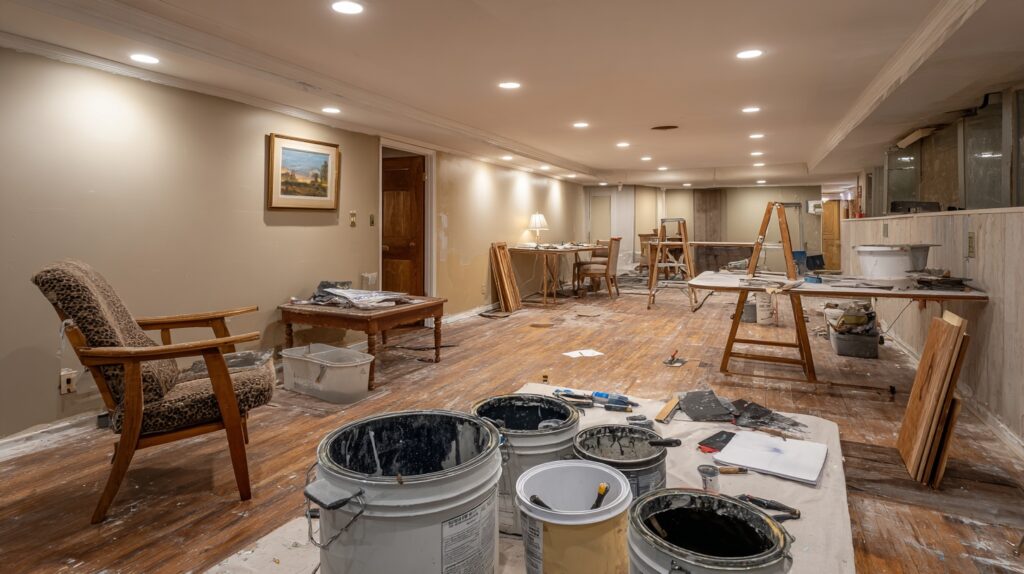
Does that dark, damp basement feel more like a wasted opportunity than part of your home? If you’re tired of the musty smells and dreaming of more living space, I get it. A smart basement remodeling project can completely change how you feel about that downstairs area.
And it’s more achievable than you might think.
Real projects prove it’s possible to turn a grim space into a clean, bright living zone, sometimes for under $10,000 with clever planning. It all comes down to tackling moisture first, then adding the features that make it feel like home.
I’m here to walk you through everything you need to know. We’ll cover design tips, realistic costs, and a clear timeline to get the job done right. So, let’s get started, your dream basement is closer than you think!
Key Highlights
- A basement remodel can be a smart investment. According to the 2025 Cost vs. Value Report, homeowners can expect to recoup around 63-71% of their project costs upon resale.
- Moisture control is the critical first step. Using reliable products like DRYLOK waterproofers and installing a quality sump pump, which typically costs between $1,500 and $2,500, protects your investment from day one.
- Smart budgeting makes a big difference. With creative sourcing for materials on sites like Craigslist, some DIY projects have been completed for as little as $1,081, a fraction of the typical cost.
- Following NYC codes is non-negotiable for safety and legality. This includes ensuring a minimum ceiling height of 7 feet for habitable areas and installing proper egress windows.
- Project timelines vary based on complexity. A simple finishing project might take a few weeks, while a more involved renovation with custom features can take 12 to 16 weeks or more.
Benefits of Remodeling Your Basement
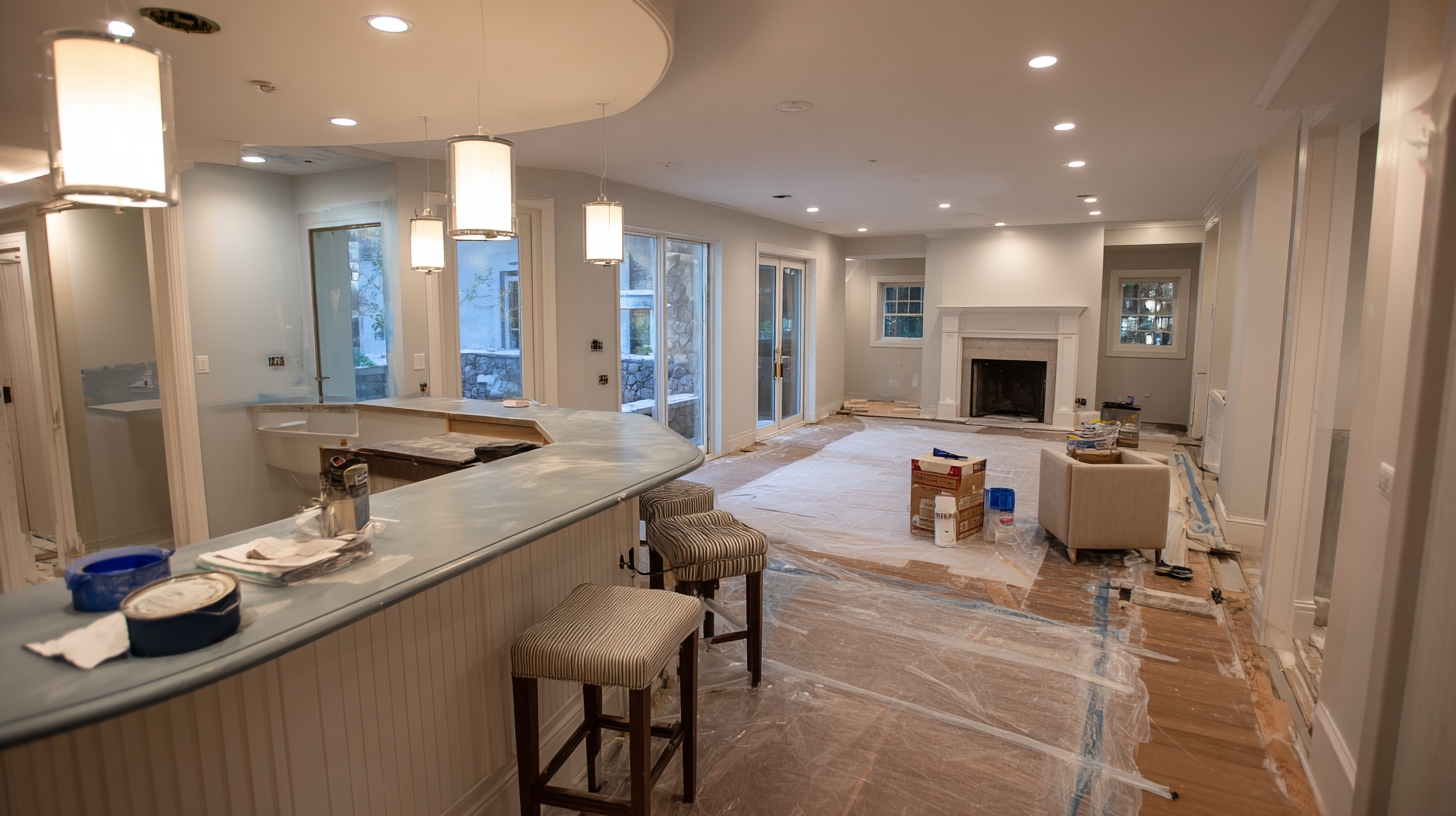
A finished basement does more than just look good, it opens up new living areas, adds valuable features, and boosts your home’s market appeal. A smart basement remodeling project can create much-needed space for work, play, or hosting guests.
How Can Remodeling Increase My Home’s Value?
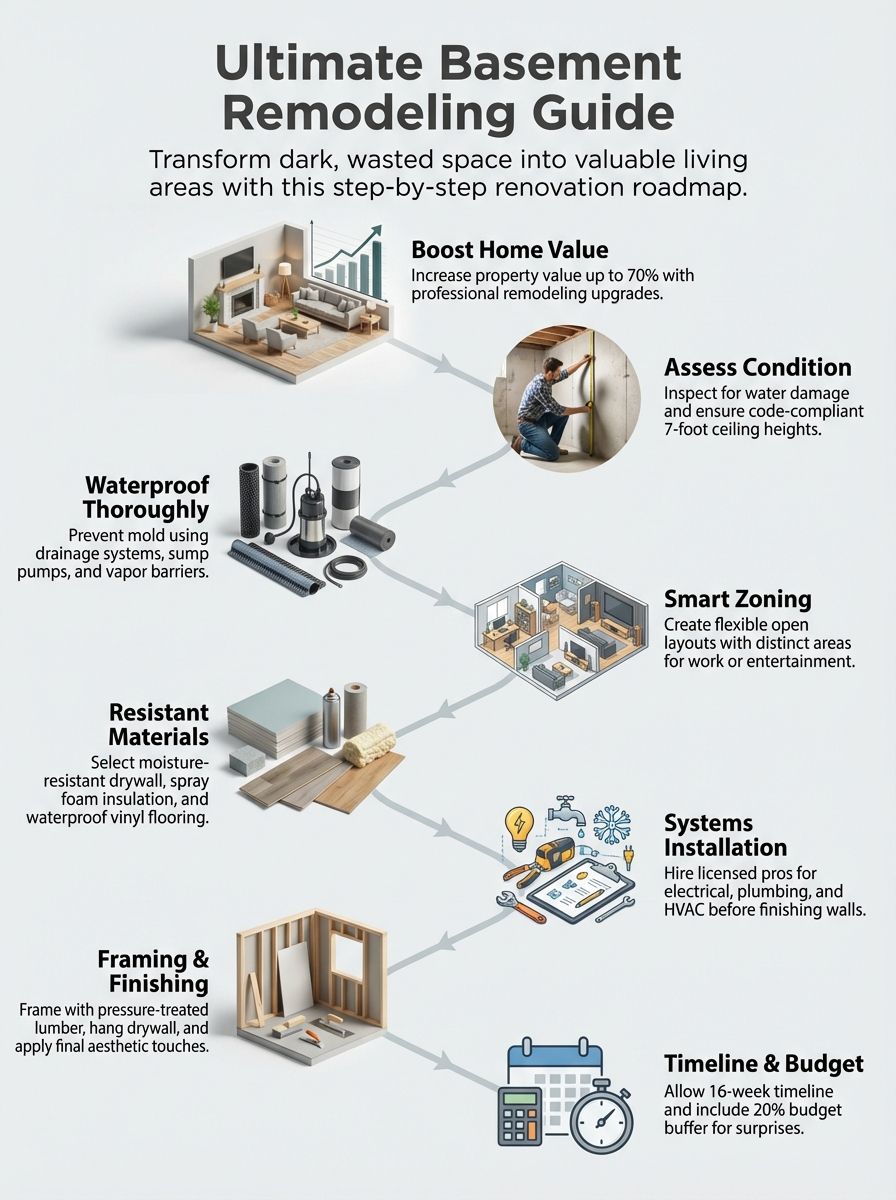
One of the biggest wins from a basement remodel is the return on investment (ROI). The 2025 Cost vs. Value report shows a basement remodel can return around 70% of its cost at resale. In a competitive market like the NYC Metro, buyers are often looking for homes with finished basements, extra bedrooms, or a full bath.
A clean, code-compliant basement builds immediate trust with potential buyers. When they see bright living areas, durable floors, and moisture-safe materials, it helps during negotiations. These finished spaces are a huge draw for families needing a home office, a dedicated play zone, or a private guest suite.
In my 25 years as a general contractor at HomeRenovation4U, I have consistently seen higher offers for homes after adding functional spaces like media rooms or guest suites. Professionals understand the building codes that improve comfort and safety, which gives buyers confidence. While DIY work can be great, missing small details can unfortunately hurt a sale.
Before you start, it’s a great idea to save inspiring basement remodel ideas and speak with local experts. This helps you learn which upgrades attract serious buyers in your specific area.
How Do I Expand Usable Living Space in the Basement?
Good planning is the secret to turning a dark, unused basement into valuable living space. Even a room that feels damp can become a functional area for under $10,000 with the right layout and material choices.
Since 2000, Alex Fedin of HomeRenovation4U has transformed basements into home gyms, guest suites, and playrooms. A key tip from his experience is to favor open layouts and movable partitions. These elements make the same square footage work for many different needs, giving you more flexibility.
To make the space feel larger, use bright paint colors and install energy-efficient LED lighting for safety and lower utility bills. Built-in shelves are another great trick for adding storage without creating clutter. If your budget and structure allow, raising the ceiling height can dramatically improve headroom and the overall feel of the room.
How Can I Create a Personalized Basement Space?
Your basement should reflect your personal style while being highly functional. One clever NYC project hid a home office behind a wall of IKEA Pax wardrobes, creating a private workspace that disappeared when not in use. You can also define different zones with features like a dedicated gym corner or a stylish granite waterfall-edge island for socializing.
To add character and save money, look for cabinets and flooring on Craigslist or at local sellers. One project managed to stay under a budget of $1,081 by mixing DIY skills with creative sourcing of materials.
Discuss these ideas with local basement remodeling contractors to see what’s possible. Next up, let’s get into how to plan and prepare for the best results.
Initial Planning and Preparation
A solid plan is the foundation of a successful basement remodeling project. Careful preparation helps you avoid costly surprises and makes every step that follows much smoother and more efficient.
How Do I Assess My Basement’s Condition?
Before you begin any work, it’s essential to inspect the entire space thoroughly. Look for obvious signs of water issues, like damp spots, standing water, or musty odors. Check for cracks in the walls, discoloration, or a white, powdery substance called efflorescence, which indicates moisture has been moving through the concrete.
Take clear photos of any problem areas to share with contractors. Use a tape measure to check the ceiling height, as NYC building codes generally require a minimum of 7 feet for a finished, habitable basement.
If the space is currently unfinished, you’ll likely start with demolition and debris removal. It’s a good idea to seal any obvious gaps in the walls with a concrete mortar repair caulk, like Quikrete Mortar Repair, to prevent issues from spreading during the remodel.
Tip: Document everything with written notes, measurements, and photos. Sharing this with professionals like Alex from Kharkiv National University of Architecture and Construction can save a lot of time and lead to more accurate quotes.
What Are the Best Ways to Address Moisture and Waterproofing?
Moisture is the biggest enemy of any basement project, especially in a place like NYC. You have to fix it first before you can even think about finishing the space. The right tools for the job include drains, sealers, pumps, and dehumidifiers.
- Apply a Waterproof Sealer: Coat interior walls with a high-quality concrete waterproofer, such as DRYLOK Extreme or KILZ Basement & Masonry Waterproofer, to block water vapor and prevent stains.
- Manage Exterior Water: Regrade the soil around your foundation so it slopes away from the house. A good rule of thumb is a 6-inch drop over 10 feet. Also, extend downspouts so water is directed at least 15 feet away.
- Seal Cracks Professionally: For structural cracks, injecting epoxy is often the best solution. In NYC, this can cost between $800 to $1,500 per crack for a professional repair.
- Install a Sump Pump: If you have a high water table, a sump pump is a must. A professional installation typically costs between $1,500 and $2,500 and will automatically remove water from under the slab.
- Run a Dehumidifier: Keep the humidity level below 50% year-round with a good dehumidifier. This helps prevent mold growth and will make the space feel much more comfortable.
How Do I Check Local Building Codes and Permits?
Once you have a handle on any moisture issues, the next critical step is to check local building codes. Before any construction begins, visit your local building department’s website or office to understand the requirements for permits and inspections.
There are a few key rules that almost always apply. For ceiling heights, you’ll generally need a minimum of 7 feet for habitable spaces. Egress windows, which are required for any basement bedroom to ensure a safe exit during an emergency, must have a clear opening of at least 5.7 square feet. The bottom of this opening cannot be more than 44 inches from the floor.
Always secure your permits before the work starts and make sure they are displayed on-site. It’s also smart to schedule your inspections early to avoid any delays toward the end of your project.
Designing Your Basement Remodel
The design phase is where your vision starts to take shape. A good plan brings together layout, color, and lighting to create a space that perfectly fits your daily life.
How Do I Plan the Basement Layout?
First, decide on the main purpose of the space. Will it be a home theater, a playroom, a gym, or a storage area? Once you have a clear goal, you can start sketching out zones to see where large items, like a sofa or a weight rack, will fit best.
Remember to keep clear pathways. In a recent project in Brooklyn Heights, the design used movable dividers and multi-use furniture to create a flexible area that could be used for both work and play.
To help visualize your layout, you can use user-friendly design software. Tools like SketchUp Free or Planner 5D are great for creating 2D and 3D models of your space. Bringing these plans and some reference images to meetings with your contractor will ensure everyone is on the same page.
What Materials Are Best for Basement Remodeling?
Choosing the right materials is crucial for protecting your investment and keeping the space comfortable. Your focus should always be on moisture resistance, durability, and overall value.
- Moisture-Resistant Drywall: Use products like USG Sheetrock Brand Mold Tough® Panels. They are specifically designed to resist moisture and help prevent mold growth.
- Closed-Cell Spray Foam Insulation: This type of insulation creates an airtight barrier that is excellent at stopping both air leaks and drafts.
- Rigid Foam Boards: When installed on foundation walls, rigid foam is often better than fiberglass at stopping water vapor from getting through.
- Luxury Vinyl Plank (LVP) Flooring: LVP is completely waterproof, looks like real wood, and is easy to install. Recent reviews from 2025 highlight brands like Art3d and AKOLAFE as top choices for their durability and appearance.
- Ceramic or Porcelain Tile: Tile is another fully waterproof option, making it perfect for bathrooms or wet bar areas. Just be aware that it can feel cold underfoot without radiant heating.
- Rubber Flooring: If you’re planning a home gym, rubber flooring is the way to go. It provides excellent cushioning and is resistant to spills.
How Do I Choose Colors, Lighting, and Décor?
To brighten up a naturally dark space, stick with neutral colors like white, cream, or a pale gray. Using a paint with a semi-gloss or satin finish will help reflect more light and also offers better moisture resistance.
A great lighting strategy is to use layers. Combine recessed lights for overall coverage, place floor lamps in corners to brighten them up, and use table lamps to soften any remaining shadows. This approach, known as zone lighting, makes the space feel more inviting.
For even more control, consider a smart lighting system. Brands like Philips Hue or Govee allow you to adjust brightness and color temperature from your phone, so you can create the perfect mood for any activity. Built-in shelving is a fantastic way to keep storage tidy while also giving you a place to showcase art or books.
Essential Steps in the Remodeling Process
A successful basement remodeling project follows a clear sequence of steps. Each phase builds on the one before it, and doing things in the right order is key to keeping costs under control and achieving a clean, professional result.
How Do I Fix Structural Issues and Add Insulation?
Before you even think about putting up walls, you need to address the structure and insulation. It’s far cheaper to fix these things now than to have to tear open a finished wall later.
- Inspect and Repair Walls: Carefully inspect your foundation walls. Fill any non-structural cracks with a concrete mortar repair caulk. For more serious issues, it’s best to consult a structural engineer.
- Insulate the Rim Joist: The rim joist, which is the framing edge right above the foundation, is a major source of cold air infiltration. Sealing and insulating this area is a small step that makes a big difference.
- Insulate Exterior Walls: A popular and effective method is to pair continuous rigid foam boards against the concrete with R13 fiberglass batts in the wall cavities. This combination provides excellent thermal performance.
- Add Soundproofing: To reduce noise from upstairs, consider using soundproofing insulation like Rockwool in the ceiling joists. It’s denser than standard fiberglass and does a much better job of absorbing sound.
What Is Involved in Installing Electrical, Plumbing, and HVAC?
All mechanical systems, including electrical, plumbing, and HVAC, must meet local codes and be planned to fit your daily needs. It’s crucial to map these systems out early to avoid expensive changes down the road.
- Electrical Work: A licensed electrician will run all the wiring while the walls are still open. You’ll need dedicated circuits for areas like bathrooms or home theaters. It is also required to install GFCI outlets, which protect against electrical shock, anywhere near a water source.
- Plumbing: If you’re adding a bathroom or a wet bar, a plumber will need to install the necessary drain and water lines. PEX water lines and PVC drain lines are modern, durable choices that reduce the risk of leaks.
- HVAC Systems: Mini-split systems are a popular choice for basements because they are efficient and don’t require ductwork. A single-zone system for a small space can cost between $3,000 and $5,000 to install in the NYC area.
How Do I Frame Walls and Hang Drywall?
With the rough-in work done, it’s time for framing and drywall. This is when your basement starts to look like actual rooms. Accuracy here is key for a polished final look.
- Use Pressure-Treated Lumber: The bottom plate of your wall framing, the piece that sits directly on the concrete floor, should always be pressure-treated to resist moisture. Standard 2x4s are fine for the rest of the wall.
- Mark Your Layout: Snap chalk lines on the floor to mark the exact location of your walls. This ensures everything is straight and square before you start cutting wood.
- Wait for Inspections: Do not hang any drywall until you have passed the rough inspections for electrical, plumbing, and HVAC.
- Hang Drywall Horizontally: Use moisture-resistant drywall panels in the basement. It’s generally recommended to hang them horizontally and leave a half-inch gap at the bottom to prevent the drywall from wicking up any moisture from the floor.
- Tape and Finish: Once the drywall is up, the seams are taped and covered with several thin coats of joint compound. This is then sanded smooth to create a perfect surface for paint.
What Are the Best Flooring and Ceiling Finishes?
The right finishes not only look great but also improve comfort and reduce future maintenance. Your choices should be guided by moisture levels, expected foot traffic, and whether you’ll need access to pipes or wiring later on.
- Luxury Vinyl Plank (LVP): As mentioned before, LVP is a top choice because it’s waterproof, durable, and comes in many styles. It’s a great all-around option for most basement living areas.
- Ceramic Tile: This is another excellent waterproof choice, perfect for laundry rooms or bathrooms where water is expected.
- Painted Drywall Ceilings: A simple painted ceiling is bright and budget-friendly. Just be sure to use moisture-resistant paint.
- Drop Ceilings: While sometimes seen as dated, modern drop ceilings offer fantastic access to pipes and wiring. They are also great for sound control.
Popular Basement Design Ideas
Need some inspiration to get started? Here are a few popular design ideas that can help you shape a room that perfectly fits your lifestyle.
How Can I Create a Home Theater or Entertainment Room?
For a home theater, start with patterned carpet or plush rugs to help absorb sound and make the space feel cozy. Seating should be comfortable, like classic brown leather recliners or a modern black sectional, and faced toward a large screen wall.
Good lighting is key. Use dimmable lights so you can set the right mood for movies or game days. Tray ceilings can also be a great addition, as they help improve acoustics and make the room feel taller. Many families also add a pool table or foosball table nearby to create a complete entertainment zone.
What Are Tips for a Functional Home Office or Study?
Creating a productive home office in the basement is all about smart storage and good lighting. Navy blue bookshelves can create a stylish and strong storage solution. A clever idea is to include a Murphy bed, which allows the room to double as a guest space when needed.
One of the most creative solutions I’ve seen is a hidden office built inside IKEA Pax wardrobes. This keeps the room looking tidy and clutter-free when you’re not working. Make sure to combine natural light, if possible, with layered artificial lighting so you have a bright workspace at any time of day.
How Do I Design a Gym or Fitness Room in My Basement?
For a home gym, rubber flooring is the ideal choice. It protects the concrete slab from dropped weights and provides excellent grip. Adding mirrors to one wall is a classic gym feature that helps you check your form.
Don’t forget about ventilation. A mini-split system or at least a good fan is important for keeping the air fresh during workouts. Also, plan for a dedicated electrical circuit for any heavy-duty equipment like a treadmill, which can draw a lot of power.
What Should I Consider for a Guest Bedroom Suite?
A basement guest suite can add incredible flexibility to your home. Built-in features, like navy bookshelves next to a Murphy bed, can provide both storage and style. The most important consideration, however, is safety.
Any legal bedroom in a basement must have an egress window. This is a window that is large enough to provide a safe exit in case of a fire or other emergency. This is not just a suggestion, it’s a building code requirement.
When planning the layout, try to position closets near existing plumbing walls if possible. This can sometimes make future bathroom additions easier. Talk through all your layout ideas with your contractor before construction starts to avoid any surprises.
Managing Your Remodeling Timeline
A clear schedule is one of the best tools for keeping stress levels down during a remodel. Taking the time to map out the entire process, from the initial planning phase to the final punch list, and sharing it with your team will make a world of difference.
What Happens During the Planning Phase?
This is where all the big decisions are made. The goal of the planning phase is to set clear goals, establish a realistic budget, and define a timeline. Good planning is what reduces surprises and helps the construction phase move more quickly.
- Define Your Needs: Start with a consultation to decide the main function of the space. Share your favorite basement remodel ideas.
- Test Layouts: Work with a designer, or use design software, to experiment with different layouts.
- Assess the Structure: Check for any cracks, leaks, or uneven floors that need to be fixed first.
- Create a Detailed Budget: Your budget should include costs for materials, labor, permits, and a contingency fund of 10-20% for unexpected issues.
- Secure Permits: Always check NYC codes and get your permits before any work begins.
What Does the Construction Phase Involve?
With your permits in hand, it’s time to build. This is the exciting part where your plans start to become a reality. A typical basement remodel can take anywhere from 4 to 8 weeks, with many projects landing around the 6-week mark.
Here’s a general breakdown of how that time is spent:
- Demolition and Prep: 3-5 days
- Framing: about 1 week
- Electrical, Plumbing, & HVAC Rough-in: 5-7 days
- Drywall Installation and Finishing: 4-5 days
- Flooring, Trim, and Painting: 7-10 days
Throughout this phase, your contractor should be conducting quality checks and keeping you updated on progress. Good communication is key to keeping everything on track.
How Do I Handle Final Touches and Inspections?
The final steps are all about polish and getting the official sign-off. A careful walkthrough and passing your final city inspections are what it takes to close out the project the right way.
- Create a Punch List: Walk through the entire space with your contractor and make a list of any small fixes that are needed. This is called a punch list.
- Install Trim and Built-ins: This is when baseboards, crown molding, and any custom features like entertainment centers are installed.
- Schedule Final Inspections: Your contractor will schedule the final inspections for electrical, plumbing, HVAC, and the overall construction.
- Address Any Inspector Notes: If an inspector requires any changes, like securing an outlet or adjusting a vent, these need to be addressed quickly.
- Final Review: Do one last comparison of the finished space with your original basement remodel ideas to make sure all your goals were met.
Tips for Staying Organized During the Remodel
Staying organized is your best defense against budget overruns and schedule delays. A few simple tools and habits can make a huge difference in how smoothly your project runs.
How Do I Set a Realistic Budget?
Start by making a list of your must-haves versus your nice-to-haves. In 2025, the average cost to finish a basement can range from $15,000 to $75,000, so it’s important to know your priorities. Many NYC projects will fall in the middle to high end of that range.
Always set aside a contingency fund of 10% to 20% of your total budget. This is your buffer for any surprises that might come up, like discovering a foundation crack that needs repair. Keeping track of all your expenses in a simple spreadsheet or an app will help you see exactly where your money is going.
Should I Hire Contractors or DIY?
For simple tasks like painting or decorating, a DIY approach can be a great way to save money. However, for more complex and critical work like electrical, plumbing, and framing, it is always best to hire licensed professionals.
A good general contractor is worth their weight in gold. They typically charge 10% to 25% of the total project cost but handle all the scheduling of subcontractors, manage inspections, and check the quality of the work every step of the way. This can save you a huge amount of time and prevent costly mistakes.
How Can I Keep a Detailed Schedule?
A clear, shared schedule keeps the project’s momentum going strong. You can use a combination of digital tools and regular check-ins to stay on top of things.
- Use a Shared Digital Folder: A Google Drive folder is a great place to store estimates, contracts, and design specs so that you and your contractor can access them easily.
- Set Calendar Reminders: Use your phone’s calendar to set reminders for important deadlines, material deliveries, and meetings.
- Have Weekly Check-ins: Schedule a regular time each week to meet with your contractor, either in person or on the phone, to review progress and discuss the plan for the coming week.
- Stay Flexible: Remodeling projects rarely go exactly as planned. Be prepared to be flexible and communicate any changes or concerns quickly to keep the job moving forward.
Frequently Asked Questions (FAQs)
Have more questions about basement remodeling? Here are answers to some of the most common ones to help you plan with confidence.
How Long Does a Basement Remodel Take?
The timeline for a basement remodel really depends on the scope of the project. A simple, straightforward finish of a 1,000-square-foot basement might take around four to eight weeks.
However, larger and more complex renovations, especially those involving custom features, new bathrooms, or significant structural work, can easily take up to 16 weeks or more. It’s always important to factor in time for obtaining permits before construction can even begin.
What Are the Best Materials for Moisture Control?
When it comes to fighting moisture, your material choices are critical. For drywall, products like USG’s Sheetrock Brand Mold Tough Gypsum Panels or Georgia-Pacific’s DensArmor Plus Panels are specifically designed to resist mold and moisture.
For insulation, closed-cell spray foam or rigid foam boards are excellent choices because they create a vapor barrier that blocks damp air. And for sealing concrete walls and floors, waterproofing paints like DRYLOK are a go-to solution. If your basement is at risk of flooding, a sump pump with a battery backup is an essential safeguard. Remember to test the pump every few months and replace the battery every two to three years.
How Can I Stay Within My Budget?
Staying on budget is a top priority for most homeowners. The most important rule is to address moisture control first, but after that, smart sourcing can significantly lower your expenses. One NYC project successfully used Craigslist and other local marketplaces to find materials.
While some secondhand items, like a set of cabinets, didn’t work out, they found a perfect kitchen island and flooring that saved them a lot of money. They even managed to get a granite waterfall-edge island, which they moved safely by building a frame around it and using sturdy dollies.
The key is to track every single cost daily to avoid overspending. A mix of DIY labor for tasks you’re comfortable with, combined with professional help for the critical jobs, allowed this particular project to finish at just $1,081, which is far below typical NYC budgets.
Conclusion
A finished basement is a fantastic way to add space, comfort, and value to your home. With smart planning and clear basement remodel ideas, you can transform that underused area into a bright, dry room that truly fits the way you live.
Every step in the process matters, from getting moisture under control to passing those final inspections.
If you’re ready to start your basement remodeling journey, use this guide to plan your next steps and talk with local experts. With the right team and a solid plan, you might just find that the best space in your house is right under your feet.
FAQs
1. Where can I find trusted basement remodeling near me experts for my project?
Local directories, home improvement platforms, and referrals from friends often lead to reliable contractors specializing in basement remodeling near me. Look for portfolios showing a range of completed projects, clear communication styles, and verified customer feedback.
2. What are some trending basement remodel ideas that maximize space and style?
Popular basement remodel ideas include open-concept lounges with neutral color palettes, built-in shelving units for storage efficiency, recessed lighting to brighten low ceilings, and waterproof flooring options like luxury vinyl planks. Consider adding a wet bar or media center as focal points.
3. How long does a typical basement renovation take from start to finish?
Project timelines vary based on the scope of work; simple updates may wrap up within two weeks while full-scale transformations involving structural changes or custom features could extend six to eight weeks. Always consult your contractor about scheduling specifics before starting.
4. Who should I contact if I want professional advice on design choices or local building codes?
Reach out directly to licensed designers or contractors experienced in basement remodeling near me. These professionals offer guidance tailored to your region’s regulations and help refine your vision using practical solutions drawn from current industry trends. Save their contact details for future reference as you explore more basement remodel ideas.