
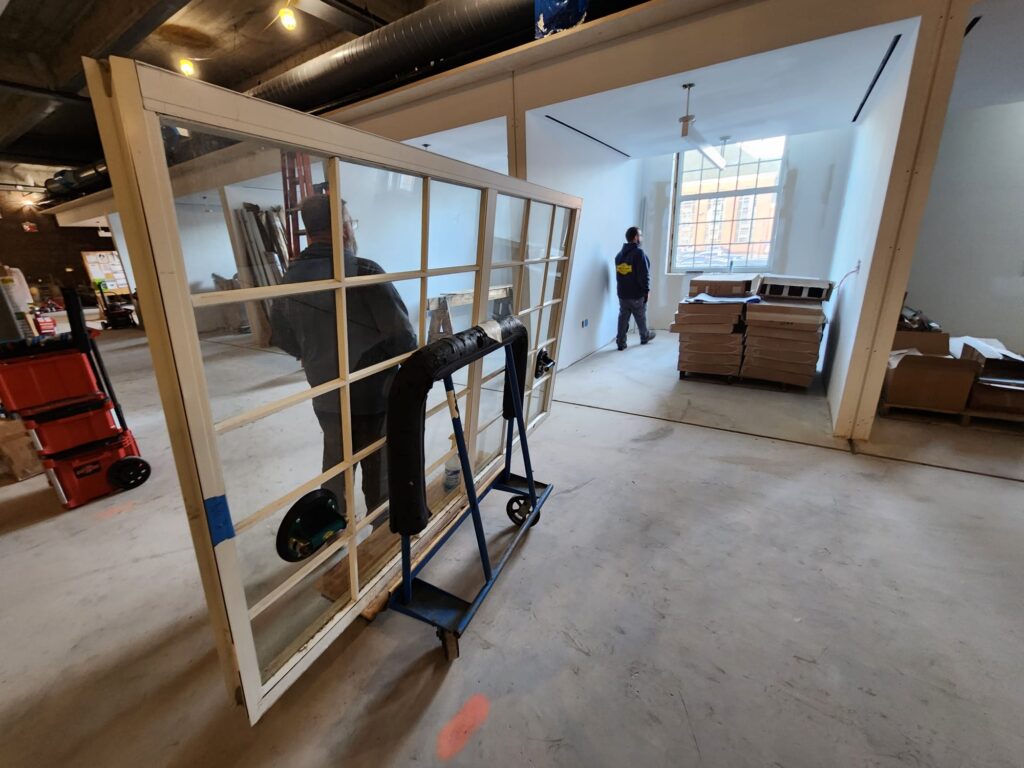
Replacing windows in an active educational facility is not a simple remove-and-replace job. It requires planning, structural precision, proper waterproofing, and installation methods that hold up under real daily use. At HomeRenovation4U, we recently completed a commercial window replacement project at the College of Staten Island, where our team replaced 45 windows over the course of 8 weeks.
The project included the removal of outdated window systems, reconstruction of the openings using wood and metal framing according to the drawings, full waterproofing, installation of new commercial-grade aluminum windows, and final finishing. The result was a safer, more durable, and more energy-efficient window system for a college building in New York.
1. Quick Project Summary
HomeRenovation4U completed a commercial window replacement project at the College of Staten Island involving 45 windows and an 8-week schedule. The work included demolition, opening preparation, structural framing, waterproofing, new window installation, and finishing. The new systems featured commercial aluminum frames, insulated double-glazed units, tempered and laminated safety glass, hopper-style ventilation windows, and secure locking hardware. The completed upgrade improved safety, thermal performance, appearance, and day-to-day comfort inside the facility.
2. Project Snapshot
Location
College of Staten Island, New York
Project Type
Commercial and institutional window replacement
Scope
45 existing windows removed and replaced
Timeline
8 weeks from demolition through finishing
Installed System
Commercial-grade aluminum insulated window systems
Main Goals
Improve durability, safety, energy efficiency, weather resistance, and overall appearance while completing the work in accordance with New York City building standards.
3. What This Project Included
This was not a cosmetic update and not a quick patch job. It was a full commercial window replacement process carried out in a structured sequence.
Removal of Existing Windows
Outdated windows were carefully removed to prepare the building for a modern replacement system.
Reconstruction of Openings
New openings were built using wood and metal framing according to the project drawings.
Waterproofing
Each opening was properly prepared and sealed to protect the building envelope against moisture and air intrusion.
Installation of New Windows
New commercial aluminum window systems were installed, aligned, anchored, sealed, and checked for function and stability.
Finishing
The final stage included finishing work around the openings to integrate the new window systems cleanly with the surrounding construction.
4. Why This Was More Than a Standard Window Replacement
When people hear “window replacement,” they often imagine a straightforward swap: old window out, new window in, job done. Commercial and institutional work does not operate like that. In a college facility, the window system has to do much more than look better from the outside. It has to perform reliably under constant daily use, support safety requirements, resist weather, and fit into a larger building envelope that cannot be treated casually.
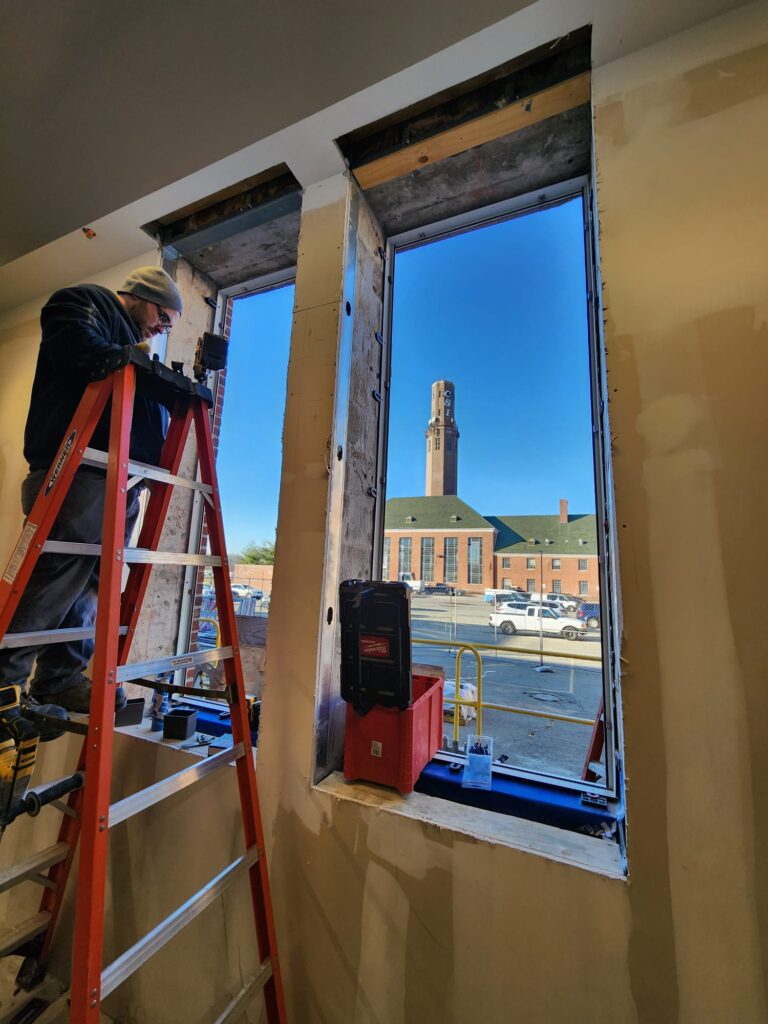
In this project, the work went beyond removing outdated units and installing new ones. The new openings had to be built according to the drawings. That means structural preparation mattered just as much as the final installed product. If an opening is off, even by more than it should be, the problems show up later as poor fit, difficult operation, air leakage, water intrusion, or stress on the window system itself. In commercial work, details are not decoration. They are the difference between a professional result and a headache with a frame.
Because this building serves an educational function, durability and consistency were critical. A college facility is not a weekend house that gets admired from a distance and mostly left alone. It is a real-use environment. The installed system had to be practical, secure, and built for the long run.
5. The Existing Window Removal Phase
The first major stage of the project was removing the existing outdated windows. Demolition in a commercial building always needs control and judgment. The goal is not to tear everything out like an action movie with better invoices. The goal is to remove old units carefully enough to protect the surrounding structure and reveal the actual site conditions without causing unnecessary damage.
Once the existing windows were removed, our team could evaluate each opening more accurately. This matters because existing commercial openings are not always as neat in real life as they appear on paper. Buildings age, prior repairs happen, small inconsistencies accumulate, and once the old system comes out, you see what the building has really been doing all these years.
This stage gave us the foundation for the next step: rebuilding the openings properly so the new systems could be installed square, secure, and fully supported.
6. Building the New Openings According to the Drawings
One of the key components of the project was constructing the new openings using wood and metal framing according to the drawings. This was a structural step, not a decorative one. The window system is only as good as the opening it sits in.
In commercial construction, framing accuracy matters for several reasons. First, the new window units must fit correctly without being forced into position. Second, the opening has to support proper anchoring and load transfer. Third, alignment affects weather sealing and long-term performance. A window installed into a poorly prepared opening may still look passable on day one, but it often starts telling on itself later through drafts, leaks, uneven stress, and operation issues.
By rebuilding the openings to match the drawings, we created the correct base for the next stages of the work. This is the kind of step that may not get applause in a glamorous before-and-after collage, but it is exactly the kind of thing that separates solid commercial renovation from pretend professionalism.
7. Waterproofing as a Core Part of the Installation
Waterproofing was one of the most important phases of this project. In New York, window installation without serious attention to waterproofing is asking for future problems. Water does not need a dramatic opening. It just needs one small weak point and patience.
Before installing the new windows, each opening was prepared and protected to support the integrity of the building envelope. Proper waterproofing helps prevent water intrusion, air leakage, hidden wall damage, and long-term deterioration around the opening. It also supports the thermal performance of the new system by helping reduce uncontrolled air movement.
Commercial window replacement in an institutional building has to be approached with the understanding that performance is cumulative. The frame matters. The glazing matters. The hardware matters. The sealant and flashing conditions matter too. Leave one part weak, and the whole result becomes less impressive very quickly. That is why waterproofing in this project was treated as a core technical requirement, not as an afterthought squeezed in between installation photos.
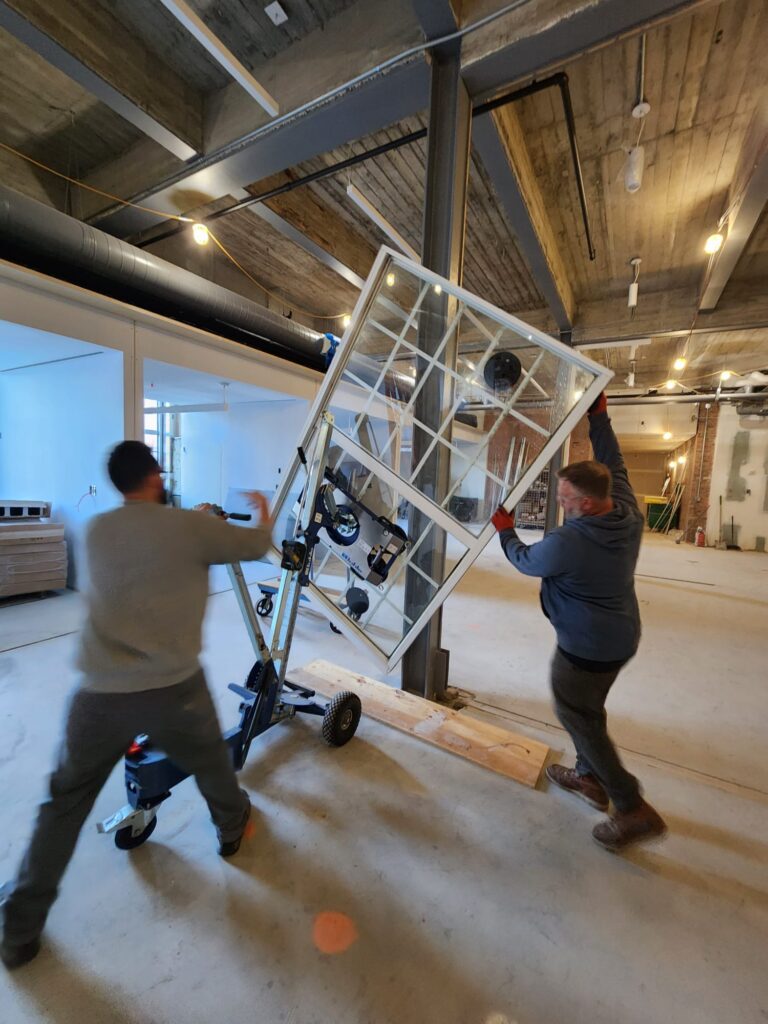
8. The New Window System That Was Installed
For this project, HomeRenovation4U installed new commercial-grade aluminum window systems designed for institutional use. These systems were selected for strength, reliability, and long-term performance in a building that needs practical, durable components rather than fragile showpieces.
Commercial Aluminum Frames
Aluminum frames are widely used in schools, colleges, offices, and other institutional buildings because they offer durability, structural stability, and relatively low maintenance. They hold up well in demanding environments and provide a clean, professional appearance.
Insulated Double-Glazed Units
The installed windows included insulated double-glazed units, which help improve thermal performance and support a more stable interior environment. Better glazing helps reduce drafts, improve comfort, and support energy efficiency goals across the building.
Tempered and Laminated Safety Glass
Safety glass was an important part of the system. Tempered and laminated glazing adds impact resistance and supports occupant safety, which is especially relevant in educational and institutional settings.
Hopper-Style Ventilation Windows
Hopper-style units were included to provide controlled natural ventilation. This type of window operation is practical in institutional spaces where ventilation is useful, but wide or uncontrolled openings are not ideal.
Locking Hardware and Restrictors
The installed systems also featured secure locking hardware and restrictors, adding security and controlled functionality appropriate for a college building.
9. Why Commercial Aluminum Windows Make Sense for Educational Buildings
Educational facilities require materials and systems that perform well under repeated daily use. Commercial aluminum windows are a strong choice for this kind of environment because they combine structural durability, practical design, and a relatively low-maintenance profile.
In a residential setting, a homeowner may judge a window mostly by style, comfort, or the way it frames the backyard. In a college building, the window has to do more than that. It needs to support building performance, operate reliably, meet safety expectations, resist wear, and maintain appearance over time. Aluminum systems are well suited to this because they are robust, stable, and commonly used in institutional construction.
They also work well with insulated glazing systems and modern safety features. That makes them a practical fit for schools, colleges, municipal facilities, and other buildings where performance and longevity matter more than decorative marketing language about “elevated living.” A college is usually more interested in windows that behave properly for years than in windows that sound poetic in a brochure.
10. Energy Efficiency Improvements From the Upgrade
One of the major benefits of the project was improved energy efficiency. Old window systems often become weak points in a building envelope. Over time, seals fail, frames age, drafts increase, and thermal performance drops. That creates a less comfortable interior environment and can contribute to higher heating and cooling demands.
The new insulated double-glazed aluminum window systems installed at the College of Staten Island were designed to improve thermal performance and reduce unwanted air movement. Combined with proper waterproofing and sealing, the upgraded assemblies help the building perform more effectively as a whole.
In an institutional building, these improvements matter beyond just numbers on a utility bill. Better thermal performance supports occupant comfort in classrooms, offices, and shared spaces. It helps reduce cold spots in winter and excessive heat gain in warmer periods. It also contributes to a more consistent indoor environment for students and staff.
Energy efficiency is one of those benefits that works quietly. It does not shout from the sidewalk. But over time, it becomes one of the most valuable parts of a properly executed window replacement project.
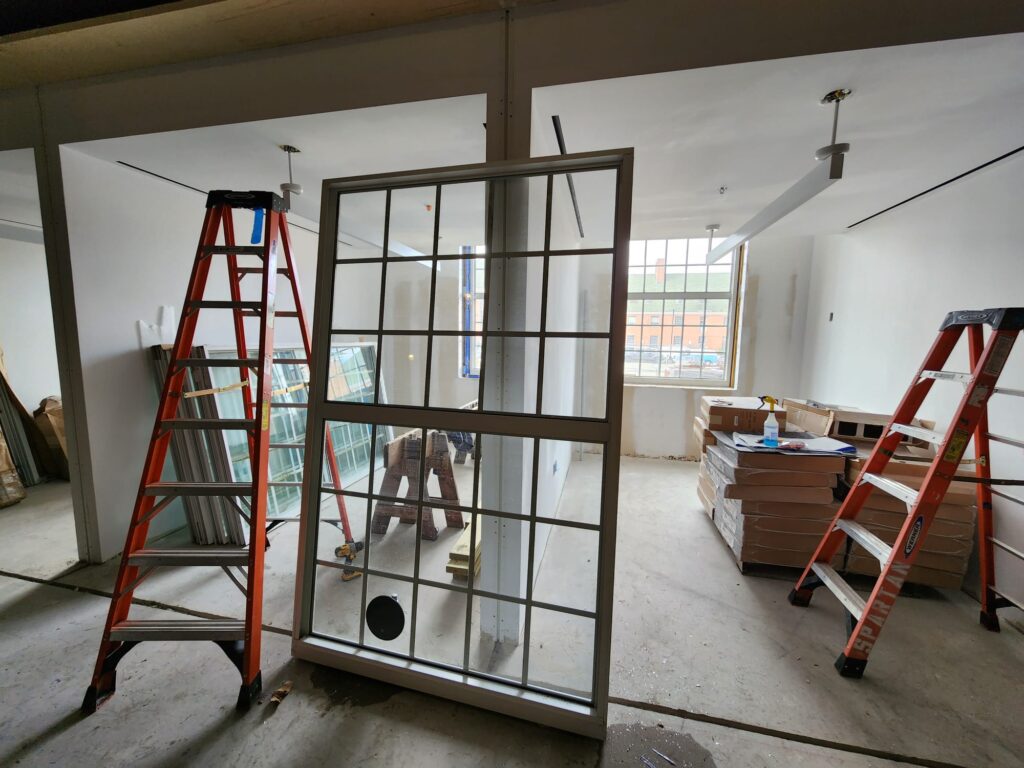
11. Safety Improvements for Students, Staff, and the Building
Safety was another major improvement delivered by the project. Educational and institutional buildings need systems that support secure operation and responsible design. In this case, the new window assemblies included tempered and laminated safety glass, secure locking hardware, and restrictors where required.
These elements matter because window safety is not only about breakage resistance. It is also about how the unit operates in daily use, how much control it provides, and how well it aligns with the building’s functional needs. Hopper-style ventilation windows are useful here because they allow airflow while keeping the opening more controlled than other operating types.
In a college environment, these practical choices support both usability and safety. The result is not just a stronger-looking system, but a system that better fits the realities of the building and the people using it.
12. Scheduling and Coordination Across an 8-Week Timeline
Completing 45 window replacements in 8 weeks required organized sequencing and disciplined coordination. A project like this cannot be handled as a random collection of openings where everyone simply shows up, picks a window, and hopes for spiritual alignment. The phases have to connect logically and move in the right order.
Demolition, opening preparation, framing, waterproofing, installation, and finishing all had to be coordinated so that the work remained consistent and the building envelope was handled properly at each stage. In institutional work, scheduling is not just about speed. It is about maintaining control while achieving progress.
This matters even more in an active educational setting, where the project must move forward with awareness of safety, access, and building use. A strong schedule keeps the work predictable, reduces disruption, and helps preserve quality from opening to opening.
The 8-week completion timeline reflects not just labor, but planning, sequencing, and execution. Commercial work always looks easier in hindsight. That is usually because someone did the hard part correctly.
13. Installation Quality and Structural Stability
All work on the project was completed in accordance with New York City building standards, with attention to proper installation, sealing, and structural stability. In commercial window replacement, installation quality is not a side note. It is the job.
A window system can have strong materials and still perform badly if it is installed poorly. Proper alignment, anchoring, support, sealing, and operation checks all matter. The installed unit must sit correctly within the opening, function as intended, and work as part of the surrounding wall assembly rather than as an isolated object pretending the rest of the building does not exist.
Structural stability was especially important here because the openings were rebuilt and new commercial-grade aluminum systems were installed. The final result had to be secure, code-conscious, and durable enough for institutional use over time.
That is why this project was approached as a full system upgrade, not just a material swap. In serious renovation work, details create performance.
14. Final Finishing and Integration
After the new windows were installed, the project moved into finishing. This stage is often underestimated by people who only look at construction through the lens of before-and-after photos. But finishing matters because it completes the transition between the new window assemblies and the surrounding construction.
Good finishing is not just about appearance, although appearance does matter. It also helps protect edges, transitions, and exposed areas while creating a clean and complete result. In commercial work, finishing should make the installation look integrated into the building, not dropped into it like a late substitute who never learned the routine.
For this project, finishing was part of delivering a professional result that matched the technical quality of the installation itself. The completed openings looked cleaner, performed better, and contributed to an upgraded overall appearance for the facility.
15. The Result: Better Performance, Better Comfort, Better Appearance
By the end of the project, 45 outdated windows had been successfully replaced with modern commercial aluminum systems designed for durability, safety, and energy efficiency. The building received a meaningful upgrade in both function and appearance.
The improvements included stronger thermal performance, better weather resistance, enhanced safety features, controlled ventilation, and a more professional exterior and interior presentation around the openings. Students and staff now benefit from a more comfortable interior environment supported by updated glazing and better-sealed window systems.
This kind of project does not just improve one visible component. It improves how the building behaves. The difference shows up in comfort, operation, durability, and long-term reliability. That is what a proper institutional window replacement project is supposed to do.
16. What This Project Says About HomeRenovation4U
This College of Staten Island project reflects the way HomeRenovation4U approaches commercial and institutional renovation work in New York. We do not treat window replacement as a simplistic product swap. We treat it as a coordinated construction process involving demolition, structural preparation, envelope protection, installation quality, and finishing.
For this project, our team handled:
- Removal of existing outdated windows
- Construction of new openings using wood and metal framing according to drawings
- Waterproofing and preparation of the building envelope
- Installation of new commercial-grade aluminum window systems
- Final finishing work
The result was completed in accordance with New York City building standards and delivered the kind of practical upgrade that institutional buildings actually need: stronger performance, safer operation, improved durability, and a cleaner finished appearance.
17. Looking for Commercial Window Replacement in Staten Island or New York?
If you need commercial window replacement for a school, college, office, institutional building, or multi-unit property, HomeRenovation4U can help. Projects like this require more than new materials. They require correct sequencing, proper opening preparation, waterproofing, code-conscious installation, and finishing that supports long-term performance.
Whether the job involves replacing aging window systems, rebuilding openings, or upgrading a building for better safety and energy efficiency, our team approaches the work as a complete renovation process rather than a shallow patch-and-pray operation.
To discuss a commercial or institutional window replacement project in Staten Island or the New York area, contact HomeRenovation4U.
18. Frequently Asked Questions
What was completed at the College of Staten Island?
HomeRenovation4U completed a commercial window replacement project that included removing 45 outdated windows, rebuilding openings according to the drawings, waterproofing, installing new commercial aluminum window systems, and completing final finishing.
How long did the project take?
The full project took 8 weeks.
What type of windows were installed?
The project used commercial-grade aluminum windows with insulated double-glazed units, tempered and laminated safety glass, hopper-style ventilation sections, secure locking hardware, and restrictors.
Why were these windows suitable for a college building?
They were well suited for an educational facility because they offer durability, safety, controlled ventilation, energy efficiency, and long-term performance in a high-use environment.
Why was waterproofing such an important part of the project?
Waterproofing helps protect the building envelope, reduce air leakage, prevent water intrusion, and support long-term durability around the window openings.
Was the work completed to New York standards?
Yes. All work was completed in accordance with New York City building standards, including proper installation, sealing, and structural stability.