

You know how it goes in New York City, your to-do list keeps growing, your calendar stays full, and the “small” repairs never stay small for long.
If you’re searching handyman near me, you’re usually not looking for a major renovation team.
You want a skilled pro who can knock out the fixes that keep a home or small business running smoothly, without turning your week upside down.
In my work as a licensed General Contractor and the founder of HomeRenovation4U, I’ve seen the same pattern across NYC apartments, co-ops, brownstones, and storefronts: quick, well-planned maintenance prevents expensive surprises later.
Below, I’ll walk you through what a handyman can realistically do, how NYC rules affect the work, and how to choose the right local handyman services for your punch list.
Fast Facts
- A handyman can handle many high-impact repairs and upgrades for homes and small businesses, especially the “finish” work that keeps a property functional and looking sharp.
- In New York City, what matters most is not just skill, it’s also the right licensing, permits (when needed), and a clear scope so your project does not stall midstream.
- For pricing, most homeowners should expect an hourly rate plus materials, and NYC labor is typically higher than the national average. A recent NYC pricing snapshot from Taskrabbit and other local cost guides commonly lands in the mid-double-digits per hour, depending on the borough and the task.
- Smart upgrades often start small: water-saving faucet aerators, better ventilation, LED lighting, and secure hardware are usually fast wins that improve comfort and reduce callbacks.
- Safety is worth treating like a “project,” not a chore: smoke and carbon monoxide alarms, secure railings, and good lighting are simple upgrades that protect your household every day.
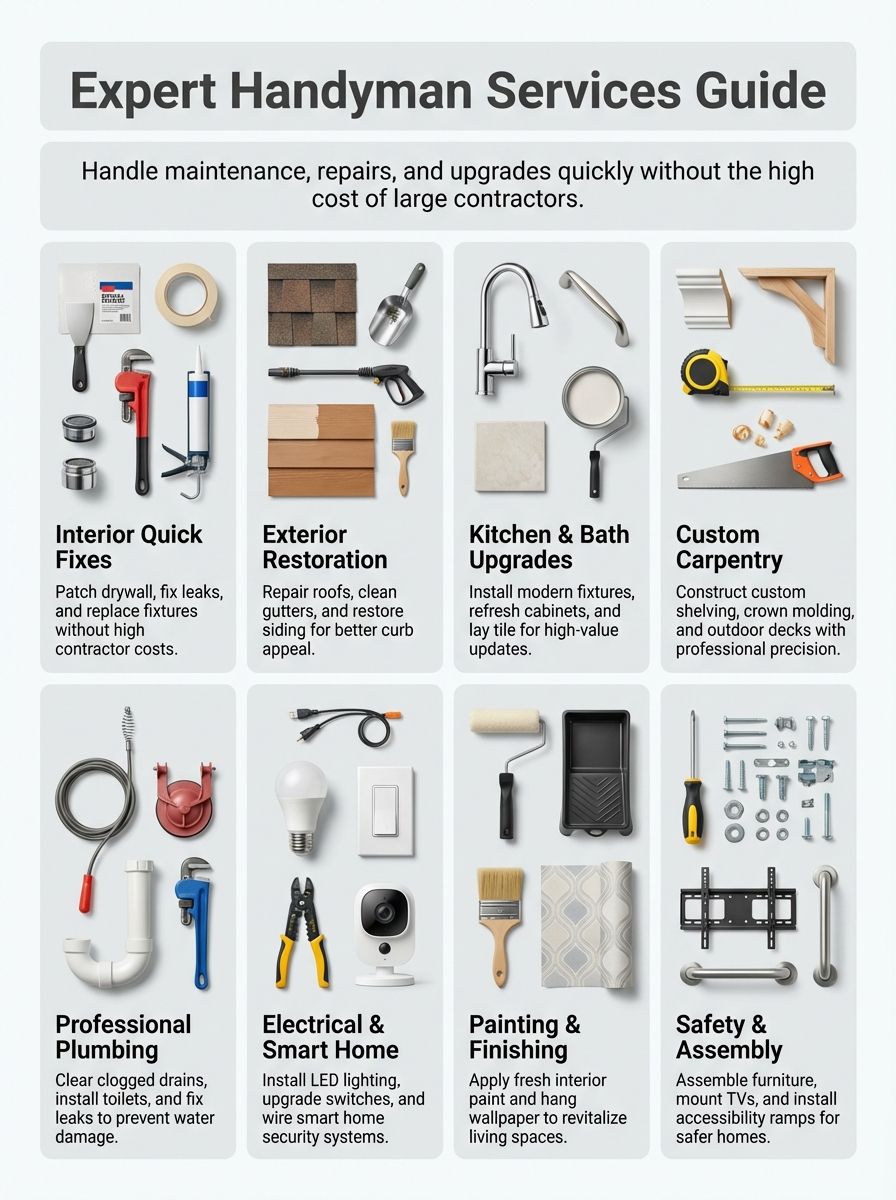
What Does a Handyman Do?

A handyman, sometimes called a handyperson, takes care of practical maintenance and smaller improvements for homes and businesses in the NYC metropolitan area.
Think of the work that falls between DIY and a full specialty contractor: drywall patches, hardware installs, light fixture swaps, trim repairs, basic carpentry, and cosmetic updates.
The key distinction in NYC is this: the best local handyman services know what they can do, and they also know when a licensed trade and permits are required.
NYC Department of Buildings guidance lists many common tasks that may be exempt from a work permit (like painting, plastering, cabinet installation, and direct plumbing fixture replacement), but it also notes that contractors performing home improvements may still need to be properly licensed through the city.
| Task type | Great fit for a handyman | Usually needs a licensed trade in NYC |
|---|---|---|
| Punch list repairs | Drywall patches, door adjustments, shelves, caulking, minor tile fixes | Structural changes, load-bearing alterations |
| Plumbing-related | Fixture swaps that do not alter piping, replacing a faucet cartridge, minor leak diagnosis | Altering, relocating, or removing piping, gas piping work, many code-driven plumbing modifications |
| Electrical-related | Basic fixture replacement planning and coordination, hardware mounting, smart device mounting (non-wiring) | Electrical wiring, new circuits, many replacements and repairs that require an electrical permit and a NYC licensed electrician |
Rates vary, but a realistic starting point in NYC is often an hourly rate plus materials. A recent Taskrabbit cost guide lists New York City’s average hourly rate in the mid-$60s, and other local price guides commonly show a wider range that reaches into the low $100s, depending on scope and scheduling.
From what I’ve seen on renovation sites since 2000, your best outcome comes when you treat a handyman visit like a mini-project: clear scope, the right parts on hand, and no surprises about building rules.
Next, I’ll break down essential repair services so you can decide what belongs on your list and what needs a specialist.
Watch a quick example of typical handyman repair work
Essential Repair Services: What a Handyman Near Me Can Fix
Essential repairs keep your home or business safe, functional, and easy to live in.
When you search handyman near me, you’re usually trying to solve problems fast: leaks, loose doors, damaged walls, bad lighting, worn trim, and small safety hazards.
The most productive approach is to group your tasks into one visit, then prioritize items that can cause damage (water, drafts, loose railings) ahead of cosmetic work.
See a short walkthrough of common handyman-style fixes
How Can a Handyman Fix Interior Issues?
Interior repairs are where a local handyman can save you the most time, especially in NYC apartments where every hour of access matters.
My focus is always the same: fix the issue at the source, then leave the finish clean enough that you forget there was ever a problem.
- Stop leaks at fixtures and valves: Replace worn cartridges, seals, and supply lines when accessible, then test for drips so you do not get cabinet swelling or ceiling stains later.
- Clear slow drains the safe way: Use the right hand tools and basic snaking where appropriate, and avoid aggressive shortcuts that can damage older piping.
- Patch drywall properly: Use tape and skim coats where needed, match texture, then prime repaired areas so the final paint blends.
- Refresh paint with less disruption: Protect floors and furniture, prep the surface, and use the right finish for the room so walls stay washable in high-traffic hallways and kitchens.
- Upgrade switches, plates, and hardware: Replace worn knobs, hinges, latches, and locksets to improve daily function and security.
- Build and mount storage: Install shelves, closet components, and wall-mounted organizers with the right anchors for plaster, drywall, or masonry.
- Assemble furniture the stable way: Sort hardware, square frames, set proper torque, and recheck fasteners so pieces do not wobble after a week of use.
- Improve water efficiency at the sink: EPA’s WaterSense program notes that WaterSense labeled bathroom sink faucets and aerators use a maximum of 1.5 gallons per minute, compared with the 2.2 gallons per minute standard, which can cut sink flow by 30% or more without sacrificing performance.
- Fix flooring trip points: Reattach loose vinyl seams, reset a cracked threshold, or regrout small tile areas to keep water out and feet stable.
- Handle smart, basic maintenance: Replace door locks (especially after move-in), tighten railings, and inspect common wear points so small issues do not become emergency calls. replace door locks
What Exterior Components Can a Handyman Restore?
Exterior work is about two things: keeping water out and keeping the structure safe.
In NYC weather, the small failures are predictable, failed caulk lines, loose flashing, clogged gutters, and wood rot at trim edges.
A local handyman can address many exterior components as long as the job stays within minor repair scope and safe access.
- Target leak entry points: Repair small areas of damaged siding, trim, and flashing so water does not migrate behind finishes.
- Clean and secure gutters: Reattach loose sections, confirm slope, and make sure downspouts push water away from the building.
- Repair or replace rotted trim: Cut back to solid material, prime all sides, and seal joints so the repair lasts longer than one season.
- Restore decks and porches: Replace loose boards, tighten railings, and address ledger flashing details before you stain or paint.
- Address masonry touch-ups: Repair small mortar cracks early, especially around window sills and steps where water can freeze and expand.
- Reduce draft points: Add weatherstripping and adjust doors so they latch cleanly and seal.
- Improve exterior lighting: Replace fixtures and add simple controls like motion sensors where building conditions allow.
If you want outdoor carpentry work to hold up, treat water management and fastening details as the main job. The paint or stain is the final step, not the fix.
What Garage Maintenance Services Are Available?
Garages in the NYC area take a beating from moisture, salt, and daily use.
A handyman visit here is often about making the space safer, brighter, and easier to store things in.
- Install shelving and wall storage: Measure carefully, anchor into solid structure, and keep heavy loads off weak wall sections.
- Repair basic door issues: Replace worn weatherstripping and adjust hardware, then recommend a door specialist if springs or cables show serious wear.
- Upgrade lighting: Add brighter, efficient fixtures so you can actually see hazards and work safely.
- Seal common air leaks: Close gaps at doors and frames to reduce drafts and moisture intrusion.
- Patch floor damage: Fill small concrete cracks and improve cleanability for shops and storage areas.
- Run a seasonal check: Look for water stains, pests, loose fasteners, and unstable storage mounts before they fail.
Comprehensive Remodeling Solutions
A handyman can help with remodeling, but the word “remodel” means different things in NYC.
Some projects stay cosmetic and move fast. Others trigger permits, licensed trades, and building approvals, especially in co-ops and condos.
Your best result comes when the handyman can coordinate the parts they do well and bring in the right licensed partners for the rest.
Watch a short overview of small remodel-style upgrades
How Can a Handyman Upgrade Your Bathroom?
Bathroom upgrades are high value because water, ventilation, and daily wear all hit this room hard.
I plan bathroom work around reliability first, then finishes, because a beautiful bathroom is not helpful if it leaks.
- Start with a clear scope: Define what stays and what changes, then confirm the building’s rules for work hours, debris removal, and water shutoffs.
- Do controlled demo: Protect surrounding surfaces and contain dust so you do not turn a small update into a full repaint.
- Upgrade fixtures smartly: Replace tired faucets, shower trim, and valves where accessible, and choose durable finishes that handle frequent cleaning.
- Improve ventilation: A quiet, properly sized exhaust fan reduces moisture issues that lead to peeling paint and mold staining.
- Waterproof before tile: Use proper backer systems and waterproofing steps so grout is not your only defense.
- Add safety upgrades: Install grab bars and non-slip solutions that work with the layout you have, especially in tighter NYC baths.
- Coordinate licensing and permits: If the work touches piping, wiring, or building systems beyond minor replacement, plan for licensed trades and the city process.
Next, let’s look at kitchen enhancements that can make a big difference without a full gut renovation.
What Kitchen Enhancements Can a Handyman Provide?
Kitchens in NYC often need practical upgrades more than they need a total teardown.
Small changes can improve daily workflow, lighting, and storage, which is usually the real pain point in compact layouts.
- Refresh cabinets: Add new pulls, adjust doors, and touch up finishes so everything closes cleanly.
- Improve task lighting: Install under-cabinet lighting and upgrade bulbs so prep areas are bright and shadows are reduced.
- Add a backsplash: Proper layout and clean cuts protect the wall and make the space easier to clean.
- Swap faucets and sink accessories: Choose reliable models and confirm shutoffs, supply lines, and trap connections are sound before final tightening.
- Upgrade storage: Add pull-outs, dividers, and vertical tray storage to make small cabinets work harder.
- Update outlets and plates: Replace cracked covers and loose receptacles, and bring in a NYC licensed electrician if any wiring work is needed.
How Does a Handyman Transform Rooms?
Room transformations work best when you plan the sequence: dust first, then surfaces, then trim, then finishes.
That sequencing matters even more in occupied NYC homes, where you want fewer “redo” steps.
- Rework the layout within limits: Move furniture plans, add built-ins, and adjust doors for better flow without touching structural walls.
- Upgrade finishes: Patch walls, paint, refresh trim, and address ceilings so the room looks cohesive, not piecemeal.
- Improve storage: Built-ins, shelves, and closet components often deliver the biggest daily improvement in small rooms.
- Coordinate the right trades: If you need new wiring, plumbing changes, or HVAC modifications, schedule licensed pros in the correct order so inspections and access are not a scramble.
- Protect the building: Follow elevator bookings, floor protection rules, and debris procedures so the project does not get shut down midstream.
Expert Carpentry Services
Carpentry is one of the clearest places where a good handyman stands out.
Clean lines, level installs, and solid fastening turn “simple” upgrades into work that looks intentional and lasts.
Hire local handyman services for trim repairs, door adjustments, shelving, built-ins, and outdoor woodwork that needs proper detailing.
What Indoor Woodworking Projects Can a Handyman Handle?
Indoor carpentry is where NYC homes get more livable without changing the footprint.
I focus on upgrades that solve a daily problem: storage, noise, doors that do not close right, and finishes that feel unfinished.
- Install built-in shelving and storage: Measure to the room, find solid structure, and use rated fasteners for heavy loads.
- Repair doors and frames: Fix binding doors, replace worn hinges, and adjust strike plates so latches work smoothly.
- Upgrade trim and molding: Patch gaps, match profiles, and repaint cleanly so repairs disappear.
- Add practical features: Entry benches, radiator covers, and closet systems can make small apartments feel organized.
- Reinforce weak installs: Correct DIY shelves, loose towel bars, and unstable furniture anchors before they damage walls.
Which Outdoor Carpentry Tasks Can a Handyman Perform?
Outdoor carpentry needs good detailing, flashing, and fastening.
If you want the work to last through NYC freeze-thaw cycles, you need more than “new wood,” you need correct connections.
- Deck and stair repairs: Replace damaged boards, tighten railings, and correct soft spots before refinishing.
- Railing upgrades: Improve stability and grip, especially on stoops and rooftop access points.
- Trim and fascia replacement: Remove rot, prime all sides, and seal joints so repairs hold up.
- Exterior door repairs: Adjust thresholds and weatherstripping so the door seals and locks properly.
- Planning for safe connections: Manufacturers like Simpson Strong-Tie publish deck connection and fastening guidance that can help you choose appropriate connectors and reduce common failure points.
Professional Plumbing Solutions
Plumbing is where NYC rules and real-world risk meet.
A handyman can handle many visible, non-invasive fixes, but city rules often require a Licensed Master Plumber for plumbing system work.
NYC Department of Buildings guidance explains that direct replacement of existing faucets or fixtures may not require a permit, while work involving altering or relocating piping must be supervised by a Licensed Master Plumber.
What Plumbing Repairs and Replacements Can a Handyman Do?
Small plumbing issues can cause big damage in multi-unit buildings, so I treat even “minor” leaks seriously.
If the fix is accessible and does not require altering piping, a handyman visit can be the right first step.
- Fix dripping faucets: Replace cartridges, washers, and seals, then check for slow seepage after the water is back on.
- Address running toilets: Replace flappers and fill valves and confirm the tank is not overfilling.
- Replace accessible shutoff valves and supply lines: Upgrade worn parts when you can do it safely and without opening walls.
- Clear minor clogs: Use proper tools and stop before the work becomes invasive, then refer out if the blockage suggests a mainline issue.
- Swap fixtures when appropriate: Replace faucets, showerheads, and visible traps if the connections are straightforward and the building conditions allow.
How Are Bathroom and Kitchen Fixtures Installed?
Good fixture installs come down to preparation and testing.
In NYC, you also need to respect access rules, noise windows, and when a licensed plumber must take over.
- Confirm shutoffs: Test shutoff valves before you start, because many older valves do not fully close.
- Inspect connections: Check supply lines, traps, and mounting surfaces so you do not trap leaks behind a vanity.
- Set and seal correctly: Use the right gaskets and sealants for the fixture and surface, then tighten to a secure fit without cracking porcelain or fittings.
- Test under real use: Run hot and cold, fill and drain, and recheck connections after a few minutes.
- Document what changed: Note model info and install date for future maintenance, especially in rentals and managed properties.
Electrical and Lighting Installations
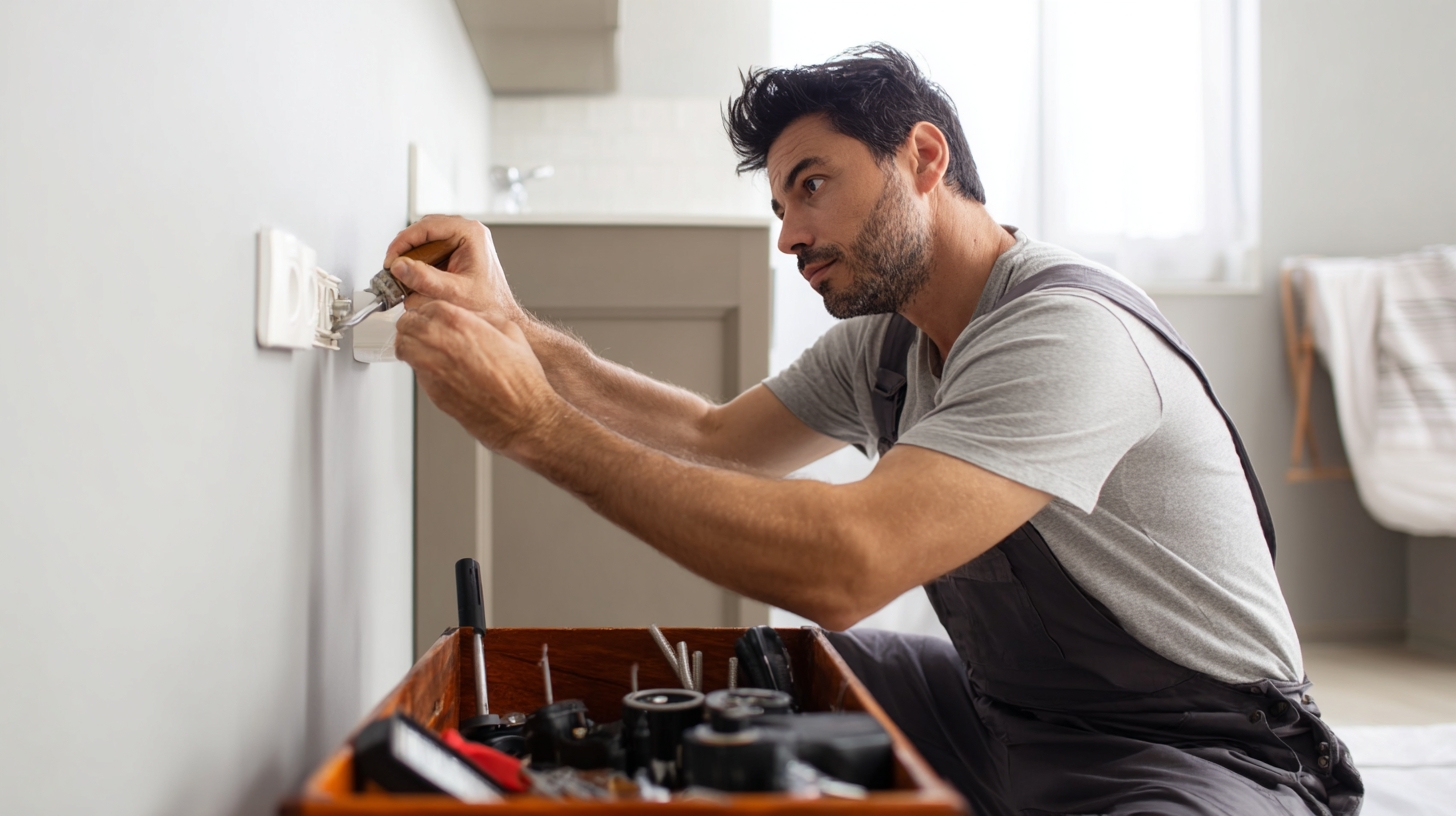
Electrical work needs extra care in NYC because permits and licensed electricians are often required for wiring-related tasks.
A handyman can still add value by coordinating access, mounting devices, replacing non-wiring components where allowed, and managing the overall punch list so the electrician’s visit stays focused.
How Can Efficient Lighting Systems Be Installed?
Lighting is one of the fastest upgrades you can feel immediately.
It can also be one of the cleanest ways to cut energy use without changing how you live.
- Plan the retrofit: Walk the space and choose where better light matters most, entries, kitchens, bathrooms, hallways, and closets.
- Pick compatible bulbs and dimmers: Avoid flicker by matching LED bulbs to LED-rated dimmers and fixtures.
- Upgrade fixtures where it counts: Replace old, dim fixtures and add task lighting for work areas.
- Add simple controls: Motion sensors and timers reduce wasted runtime in hallways, stairs, and garages.
- Use proven efficiency: The U.S. Department of Energy notes that ENERGY STAR rated LEDs use at least 75% less energy and can last up to 25 times longer than incandescent lighting.
How to Integrate Home Automation and Smart Devices?
Smart home upgrades work best when you keep them simple, reliable, and serviceable.
For NYC homes, I also recommend choosing devices that do not require you to open walls unless you are already doing renovation work.
- Start with one system goal: Security, comfort, energy savings, or convenience, then build from there.
- Choose devices that play well together: Matter-certified products are designed to improve cross-platform compatibility, which reduces the chance you get stuck with a “one brand only” setup.
- Prioritize lighting and locks: Smart switches, dimmers, and deadbolts deliver daily value and are easy to maintain when installed correctly.
- Use pro-grade basics: Lutron Caseta-style lighting control, smart thermostats, and doorbell cameras can work well if your building allows the install and your Wi-Fi coverage is solid.
- Plan for support: Keep device model names, passwords, and setup notes in one place so troubleshooting is not a scavenger hunt.
How to Ensure Safety with Smoke and Carbon Monoxide Detectors?
Safety devices deserve the same planning you give finishes.
In multi-unit buildings, the goal is early warning, clear escape paths, and fewer false alarms that make people ignore real ones.
- Place smoke alarms correctly: Install them inside bedrooms, outside sleeping areas, and on each level so you get early warning where it matters most.
- Use modern alarm types: Look for current models designed to reduce nuisance alarms from cooking, especially in smaller NYC kitchens.
- Install carbon monoxide alarms where needed: Place CO alarms near sleeping areas, and follow manufacturer instructions for distance and height.
- Test on a schedule: Use the test button monthly, and confirm everyone in the home can hear the alarm.
- Replace expired units: Many smoke alarms are designed to be replaced about every 10 years, so check the manufacture date on the back of each device.
NFPA has reported that working smoke alarms reduce the risk of dying in a home fire by about 60%, and the CDC states that more than 400 Americans die each year from unintentional, non-fire-related carbon monoxide poisoning.
Painting and Decorative Services
Paint and finish work can change how a space feels without changing the layout.
In NYC homes, the winning approach is clean preparation, durable products, and tight scheduling so you get the upgrade without living in a construction zone.
How Can Interior Walls Be Refreshed?
Interior painting is only as good as the prep.
That means patching, sanding, cleaning, and priming the right areas so the finish looks consistent.
- Fix the surface first: Patch cracks and holes, address nail pops, and seal stains so they do not bleed through.
- Choose the right finish: Use washable finishes in hallways, kitchens, and kids’ rooms so you can clean marks instead of repainting.
- Protect the home: Cover floors, mask edges, and keep a clean work area each day, especially in occupied apartments.
- Plan by room wear: Many pros suggest repainting high-traffic interior walls every few years, while low-traffic rooms can go much longer between coats, depending on lifestyle and paint quality.
What Are the Best Ways to Revitalize Exterior Surfaces?
Exterior painting is really exterior preservation.
If you paint over soft wood, failed caulk, or water intrusion, the finish will fail early.
- Inspect and repair first: Fix rot, failed joints, and loose trim before the first coat goes on.
- Prep like you mean it: Scrape, sand, clean, and prime bare areas so the new paint bonds.
- Seal water entry points: Caulk joints correctly and address flashing where leaks start.
- Schedule smartly: Choose dry weather windows and plan access so the work stays safe and consistent.
How Is Wallpaper Properly Applied?
Wallpaper can look great in NYC interiors, but it punishes sloppy prep.
If the walls are not smooth and clean, seams will show and edges will lift.
- Prepare the wall: Remove loose paint, clean, patch, sand, and prime so the surface is even.
- Measure for pattern repeats: Order enough material to match the pattern without awkward breaks at corners.
- Keep plumb lines: Start straight, because every panel depends on the first one.
- Finish details cleanly: Trim carefully at ceilings, baseboards, and around outlets and switches.
Flooring Installation and Maintenance
Flooring failures in NYC usually trace back to one issue, the subfloor was not ready.
A good install starts with flatness, dryness, and realistic expectations for the building you live in.
If you’re researching handyman services near me for floors, ask exactly what prep they include, and what they expect you to handle before install day.
How to Lay Tile and Vinyl Floors?
Tile and vinyl can handle NYC life well, as long as you prepare the base and manage moisture correctly.
I’ve repaired plenty of floors where the visible problem was grout, but the cause was movement underneath.
- Prep the subfloor: Clean, flatten, and repair weak spots so the new surface does not flex.
- Plan the layout: Dry-lay key rows and plan cuts around toilets, vanities, and radiators for a cleaner look.
- Use the right materials: Match mortar, underlayment, and grout type to the tile and the room conditions.
- Protect wet areas: Use proper waterproofing steps in bathrooms so water stays where it belongs.
- Finish and maintain: Seal grout where recommended and use the right cleaners so the floor stays easy to live with.
What Is the Process for Installing Wood and Laminate Flooring?
Wood and laminate look great in NYC, but they need stable conditions to perform well.
Manufacturer requirements are not “nice to have,” they decide whether the floor stays flat and quiet.
- Meet flatness requirements: Shaw installation guidance commonly calls for a subfloor that is flat to within 3/16 inch over 10 feet (or 1/8 inch over 6 feet), which is a practical checkpoint before you install planks.
- Control indoor conditions: Keep temperature and humidity stable before and after install, because wood movement is real.
- Acclimate materials: Let flooring sit in the space long enough to adjust to the room’s conditions before installation.
- Leave expansion space: Plan proper perimeter gaps and transitions so the floor can move without buckling.
- Finish cleanly: Install transitions, undercut door jambs when needed, and confirm doors swing without rubbing.
Enhancing Home Safety and Accessibility
Safety upgrades should feel normal, not clinical.
The goal is to reduce falls, improve lighting, and make daily movement easier in homes that were not designed for today’s needs.
How to Install Ramps and Railings for Accessibility?
I installed a porch ramp for an elderly client in Queens, and the biggest win was not the lumber, it was the planning.
A safe ramp needs correct slope, stable footings, and railings that feel solid every time you grab them.
- Measure the site first: Confirm the rise, run, and turning space, then decide whether a modular ramp or site-built ramp makes sense.
- Follow accessibility standards: ADA design standards set a maximum ramp slope of 1:12 in new construction and commonly reference handrail height of 34 to 38 inches, which are helpful benchmarks when you plan safe access at home.
- Build for traction: Use slip-resistant surfaces and plan drainage so water does not pool on the walking surface.
- Anchor correctly: Use appropriate footings and fasteners for the structure and exposure conditions.
- Plan maintenance: Schedule regular checks for loose fasteners, surface wear, and wobble before it becomes a fall risk.
How to Upgrade Bath and Bedroom for Improved Safety?
Bathrooms and bedrooms are where most “normal” slips turn into serious injuries.
Simple upgrades can improve safety without changing how the home looks.
- Install grab bars correctly: Anchor into solid backing, place them where your hand naturally reaches, and avoid suction-style products for primary support.
- Improve traction: Add non-slip mats and consider slip-resistant flooring options during the next refresh.
- Upgrade lighting: Add brighter bulbs and motion-sensing night lighting so you are not walking in the dark.
- Reduce clutter zones: Improve storage and keep pathways clear, especially from bed to bathroom.
- Adjust comfort height items: Raised seats, stable shower chairs, and handheld showerheads can reduce strain and improve control.
Home and Leisure Equipment Assembly
Assembly work looks simple until it isn’t.
In NYC homes, the real challenge is often tight spaces, fragile finishes, and walls that do not behave like modern drywall.
How Does a Handyman Assemble Furniture?
Furniture assembly is about stability and safety, not speed.
I treat it like finish carpentry: square, level, and tight enough that it stays quiet over time.
- Inventory parts first: Confirm hardware and panels before you start, because a missing bolt can cost more time than the whole assembly.
- Build square: Keep frames aligned and tighten in sequence so the piece does not rack.
- Use correct torque: Tighten firmly without stripping fasteners, especially in particleboard.
- Anchor tall pieces: Secure bookcases and wardrobes to prevent tip-over hazards, which matters even more with kids and pets.
- Leave the space clean: Remove packaging, protect floors, and make sure doors and drawers operate smoothly before you sign off.
What Is Involved in Setting Up Sports Equipment?
Sports and gym equipment needs correct anchoring and clear space around it.
That’s how you reduce injury risk and prevent damage to floors, walls, and ceilings.
- Assess the location: Check ceiling height, wall structure, and floor type before you choose an anchor method.
- Follow manufacturer requirements: Use the specified fasteners and spacing so you do not void warranties.
- Anchor to structure: For wall-mounted items, find solid framing or masonry, and avoid relying on weak surfaces.
- Confirm safety clearances: Leave room for movement, spotting, and safe entry and exit.
- Schedule maintenance checks: Re-tighten anchors and inspect wear points because vibration and repeated use loosen hardware over time.
Bringing It All Together
A handyman can save you time and money on home and business tasks when you choose the right scope and the right pro.
If you’re searching handyman near me in the NYC metropolitan area, focus on licensing, clear communication, and bundling tasks so the visit pays off.
Mr. Handyman provides dependable handyman services, handyman services near me listings, and local handyman services you can rely on.
FAQs
1. What jobs can a handyman do for my home or business?
Handyman services cover repairs, installations, and routine maintenance for homes and businesses. A local handyman handles carpentry, surface work, water system tasks, and basic power system work. They also replace fixtures, fix hardware, and do small remodeling steps.
2. How do I find a reliable handyman near me?
Type “handyman near me” or “handyman services near me” to compare reviews, check licenses, and read service lists.
3. What do handyman services usually cost, and how are prices set?
Handyman services often charge hourly rates or set flat fees for defined jobs. Prices vary with skill, materials, travel, and permit needs, so ask for a written quote.
4. Can a handyman work for both home and business tasks?
Yes, many handyman services serve both homes and small businesses. Contact a local handyman or search local handyman services, and confirm insurance and experience for commercial tasks.