
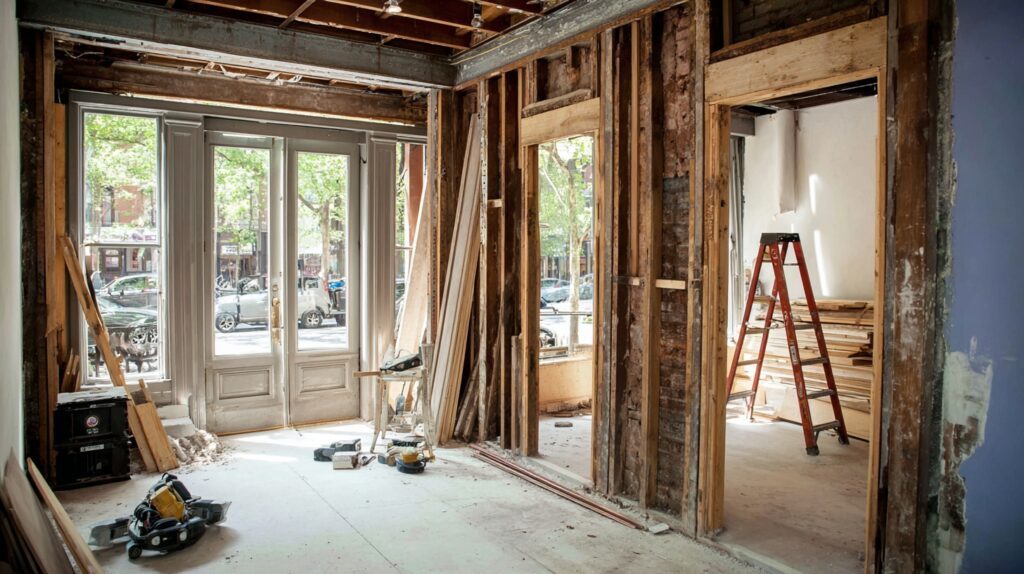
You know how a home renovation feels straightforward on paper, then NYC reality shows up with permits, building rules, tight deliveries, and crews working around your daily life.
I’m Alex Fedin, a licensed General Contractor in New York City and the founder of HomeRenovation4U, and I’ve seen the same pattern for homeowners across the NYC Metropolitan Area: projects go smoothly when you set the scope, the budget, and the paper trail before anyone swings a hammer.
Read on.
Key Highlights
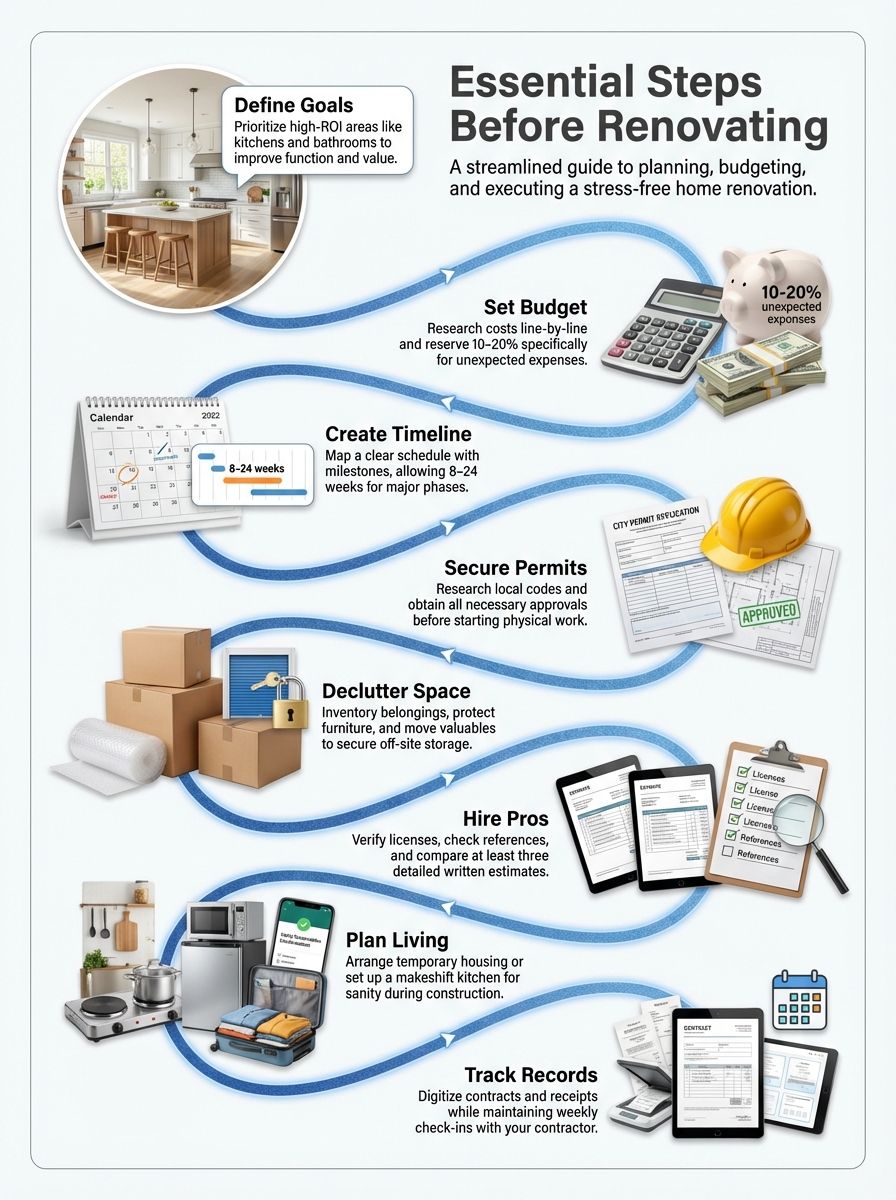
- Set a firm budget, get 3+ detailed estimates, and hold a 10% to 20% contingency for common NYC surprises like hidden plumbing issues and compliance add-ons.
- For day-to-day impact and resale appeal, kitchens and bathrooms usually lead, but don’t ignore high-ROI “boring” upgrades like entry doors, ventilation, and electrical capacity.
- Hire licensed pros, confirm insurance, and align the permit strategy early so approvals and inspections don’t freeze your schedule mid-project.
- Declutter, inventory valuables for insurance, protect what stays, and digitize contracts, change orders, receipts, and warranties so you can answer questions fast.
Assess Your Home Renovation Needs and Goals
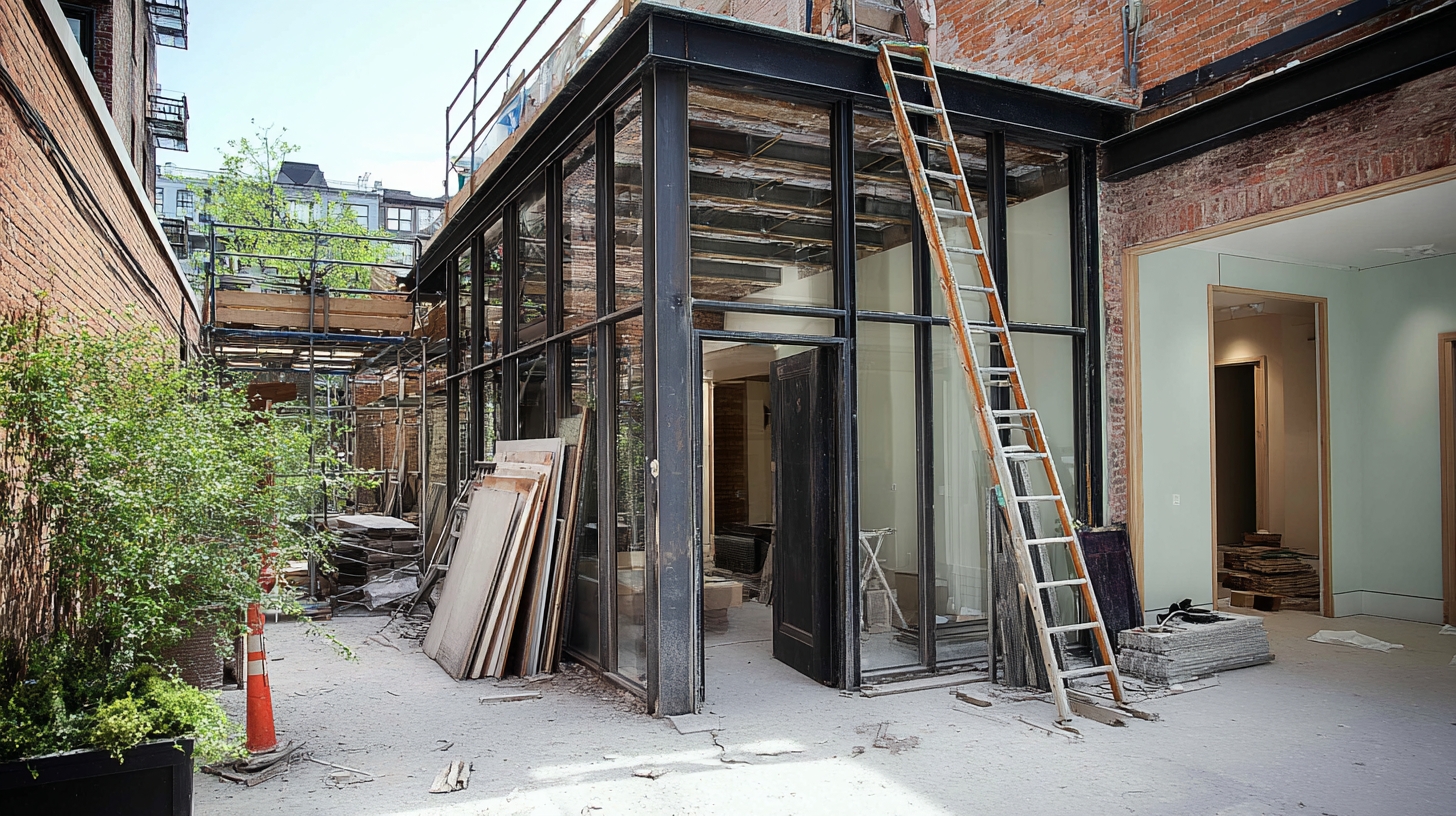
Start with a clear decision: are you renovating for daily comfort, long-term durability, resale value, or all three.
In NYC, you also need to factor in “building reality,” meaning board approvals, freight elevator rules, delivery windows, and work hours.
- Define your non-negotiables: layout, storage, noise control, lighting, and comfort.
- Confirm constraints: co-op or condo alteration package, DOB filings, and neighbor impact.
- Pick success metrics: “One bathroom always usable,” “induction-ready circuit,” or “more closed storage.”
- Decide your finish level: rental-grade, mid-range, or custom home renovation finishes.
Watch a renovation planning walkthrough
What is the main purpose of my home renovation?
A home renovation should solve a real problem: improve function, comfort, safety, or long-term value.
If you align your purpose early, you avoid the most expensive mistake, building a beautiful space that still doesn’t work.
If efficiency is part of your goal, start with Energy Star home upgrade guidance and decide what belongs in your scope before your designer locks drawings.
- Comfort upgrades: better insulation, air sealing, and quieter windows, when allowed by your building.
- Performance upgrades: ventilation, electrical capacity for modern appliances, and water-saving fixtures.
- Value upgrades: durable flooring, smart storage, and lighting that makes tight rooms feel bigger.
Licensing is part of purpose too, because it affects permits and liability. If you’re verifying an out-of-state license claim, you can use tools like this license lookup example, then confirm the correct NYC and NYS requirements for your project scope.
If you’re considering a home renovation loan, treat financing as a planning step, not an afterthought, because lenders and boards often want a clear scope and contractor bid.
Which areas of my home should I renovate?
For most homes, kitchens and bathrooms still drive the strongest day-to-day payoff, and they tend to stand out in listings.
That said, the “best return” depends on your property type. A Manhattan co-op kitchen is a different game than a two-family in Queens.
If you want a data point for resale thinking, Zonda’s 2025 Cost vs. Value Report lists a minor kitchen remodel at 112.9% cost recouped on average, and it also shows some exterior replacements outperform many interior projects.
| Project type | Why it matters in NYC homes | Practical first move |
|---|---|---|
| Kitchen flow and storage | Small layout mistakes feel bigger in tight footprints | Mock up appliance and cabinet clearances before you finalize plans |
| Bathroom comfort and ventilation | Moisture issues spread fast in shared walls and stacked units | Confirm fan ducting route and building rules early |
| Entry and “first impression” items | Townhouses and single-family homes benefit from curb appeal upgrades | Price out doors, hardware, and lighting as a separate line item |
I’ve found the most overlooked upgrades are the ones behind the walls: plumbing, wiring, and ventilation. They’re not flashy, but they keep your finishes looking good for years.
Focus on function, then finish.
Finished basements can add flexible square footage, but only if you plan moisture control, safe egress, and the right electrical layout from day one.
Accessibility upgrades near entryways and bathrooms can also be smart, especially if you plan to stay put for a while.
How Do I Set a Realistic Renovation Budget?
A NYC renovation budget needs two things: a detailed scope and a payment plan that matches real milestones.
Start with an itemized list, then add a contingency so you don’t make emotional decisions mid-project.
How can I estimate costs for materials and labor?
I build every quote around a line-by-line scope, because vague scopes create vague pricing, and vague pricing creates change orders.
Get at least three written estimates from home renovation contractors, and make sure each bid includes the same scope, finish allowances, and permit responsibilities.
- Hard costs: demolition, framing, finishes, cabinetry, tile, plumbing, electrical, HVAC, painting.
- Soft costs: design, engineering, expediting, board review fees (if applicable), and filing costs.
- Operational costs: protection, daily cleanup, debris removal, and storage.
- Close-out costs: final punch list, required inspections, and any as-built updates.
For financing, match the tool to the job. HUD’s 203(k) program is one option, and HUD notes the Limited 203(k) can finance up to $75,000 in repairs and upgrades, while the Standard 203(k) is aimed at larger rehabilitations with a minimum rehab cost of $5,000.
How much should I allocate for unexpected expenses?
Set aside 10% to 20% of your total renovation budget for unexpected expenses, and treat that money as “project insurance.”
This cushion covers common NYC surprises: hidden leaks, out-of-date wiring, uneven subfloors, and compliance requirements that only show up once walls open.
One big NYC-specific risk is asbestos. NYC Department of Buildings guidance notes that many buildings built before 1987 may contain asbestos materials, and an assessment is often required before permits move forward, using forms such as ACP-5 for an assessment and ACP-7 for an asbestos project notification.
- Ask early: “Do we need an asbestos investigator before filing?”
- Price it early: include testing and, if needed, abatement and air monitoring as budget lines.
- Control scope creep: require written change orders before any extra work starts.
- Track cash: update your budget weekly so decisions stay calm and rational.
Set the cushion now, and the tough choices get easier later.
Create a Detailed Renovation Plan
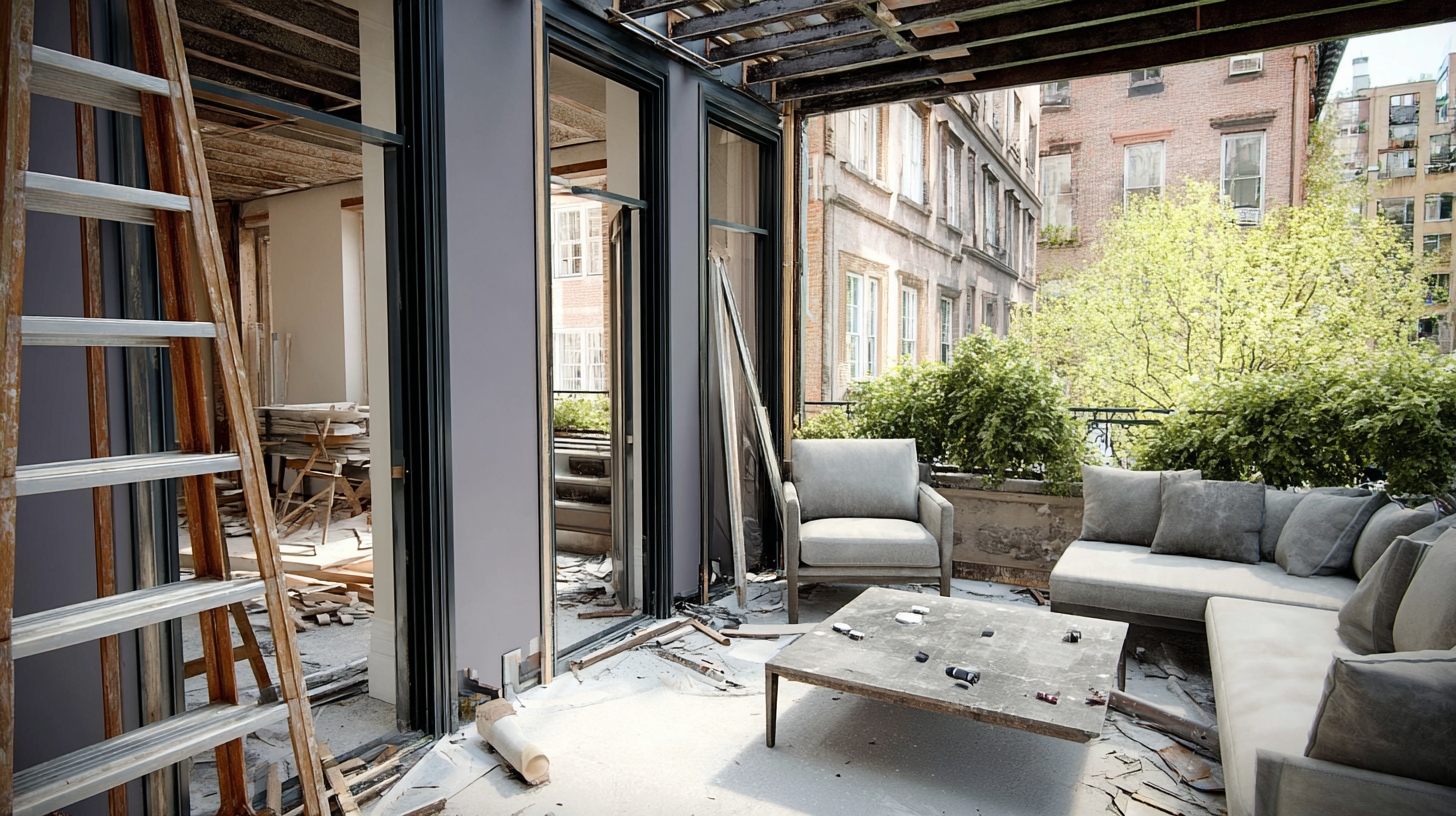
A solid plan is a schedule plus decisions, in writing, before the job site gets noisy.
Your goal is to reduce “waiting time,” meaning days lost to missing materials, unclear drawings, and unbooked inspections.
Watch a timeline planning walkthrough
How do I draft an effective renovation timeline?
Start with phases, then break each phase into tasks you can actually inspect.
In my experience, most NYC projects run better when you tie each payment and decision to a milestone, not a calendar date.
Work hours matter for planning. NYC Department of Environmental Protection guidance sets standard construction hours at 7 a.m. to 6 p.m. on weekdays, and anything outside those hours typically needs an after-hours authorization.
- Design and selections: finalize layout, appliances, plumbing fixtures, and finishes.
- Filing and approvals: strong DOB and building approvals, plus any required plans.
- Mobilization: strong protection, staging, and long-lead orders (cabinets, tile, custom doors).
- Rough work: strong plumbing, electrical, framing, inspections.
- Close-in: strong drywall, waterproofing, tile, millwork.
- Finish and close-out: strong punch list, final inspections, and sign-offs.
Build buffer time for inspections, and confirm who is responsible for scheduling each one.
Should I hire professionals or do it myself?
DIY can save money on cosmetic tasks, but NYC rules and safety risks make many scopes a professional job.
If your work touches structure, plumbing, or electrical, plan on licensed pros and proper permits.
- Good DIY candidates: strong painting, hardware swaps, simple shelving, and prep work outside the work zone.
- Usually pro-only in NYC: strong plumbing moves, electrical panel work, structural changes, and waterproofing-heavy bathroom work.
- Hybrid approach: strong hire pros for core systems, then DIY final styling after sign-off.
- Time reality: strong DIY adds duration, and duration adds cost in NYC buildings.
If you’re searching “home renovation contractors near me,” filter hard for projects similar to yours, meaning same building type, same neighborhood constraints, and comparable finish level.
Obtain Necessary Permits
Permits are not paperwork for its own sake in NYC, they’re your project’s permission slip to keep moving.
If you start work without the right approvals, you risk stop-work orders, fines, and costly rework.
How do I research local building codes?
Use the NYC Department of Buildings site as your starting point for project requirements, filings, and checklists.
Plan review goes faster when your scope is clearly defined: what you’re changing, where you’re changing it, and what systems are affected.
- Clarify your filing type: strong NYC uses alteration categories (Alt-1, Alt-2, Alt-3) based on scope and impact.
- Confirm close-out needs: strong some work needs a new or amended Certificate of Occupancy, while minor work may close with a Letter of Completion.
- Occupied building planning: strong if people will live in the home during work, you may need a Tenant Protection Plan that shows dust containment, safe egress, and occupant safety measures.
If you feel unsure about requirements, bring in a licensed architect or engineer early, especially for structural changes and any scope that affects egress.
How do I secure permits before starting construction?
Secure permits before construction starts, and align the permit scope with your actual scope, so you don’t get stuck midstream.
NYC’s DOB NOW platform is built around online filing and tracking, and it includes modules for job filings and permits, scheduling inspections, and handling safety and licensing workflows.
- Prepare the set: strong drawings, scope of work, and required forms.
- File clean: strong submit a complete package to reduce objections and resubmissions.
- Plan inspections early: strong NYC Department of Buildings notes that inspections must be scheduled through DOB NOW: Inspections, not by phone or in person.
- Close the job: strong don’t stop at “construction complete,” make sure inspections and sign-offs happen so the project actually closes out.
How Do I Declutter and Prepare My Space for Renovation?
Preparation is about two things: protecting your stuff and protecting your momentum.
The less you leave in the work zone, the faster the crew can work, and the less dust you’ll fight every night.
How do I take an inventory of my belongings?
Go room by room and document what you own, especially high-value items.
For speed, tools like the NAIC Home Inventory app let you scan barcodes and attach photos, which can help if you ever need an insurance claim.
- Photograph first: strong wide shots of each room, then close-ups of valuables.
- Record details: strong make, model, and condition for electronics, jewelry, art, and collectibles.
- Store backups: strong keep one copy off your device so you can access it if something happens.
- Label smart: strong box labels should match the room name used in your inventory.
Count what’s left after decluttering, because that number drives your storage plan and your protection plan.
What is the best way to relocate or store valuable items?
Clear items from work zones and remove valuables from the apartment or house if you can.
For larger furniture, portable containers are popular in the NYC metro area, but you need to confirm street space rules and building policies.
U-Haul lists a U-Box container’s internal dimensions at about 4 ft 8 in wide, 7 ft 11 in long, and 6 ft 11.5 in high, and notes it can fit roughly one and a half rooms when packed well.
| Storage option | Best for | What to check before you book |
|---|---|---|
| Portable container (U-Box) | Partial apartment moves, staging furniture, short-term storage during phased work | Delivery access, loading zone rules, and where the container can legally sit |
| Portable container (PODS) | Bigger moves and longer storage, with 8 ft, 12 ft, and 16 ft container options | Parking, container size clearance, and elevator or hallway restrictions |
| Off-site storage unit | Valuables, seasonal items, and things you want fully out of the way | Access hours, insurance coverage, and pickup logistics |
Use temporary storage solutions for furniture you can’t keep protected on site, and keep “daily-life essentials” in one clearly labeled bin so you’re not hunting for basics at midnight.
Research and Hire Reliable Contractors
In NYC, you don’t just hire skill, you hire compliance, scheduling discipline, and communication.
That’s why I tell homeowners to vet paperwork as hard as they vet photos.
How do I check reviews and references for contractors?
Read recent reviews, then verify licensing and insurance before you talk about start dates.
NYC Department of Consumer and Worker Protection guidance stresses using a licensed home improvement contractor, and it also warns against paying in cash or starting without a written contract.
- License check: strong confirm the contractor is properly licensed for NYC home improvement work.
- Insurance check: strong request a current certificate of insurance and confirm it includes the right coverage for your building.
- Reference check: strong call at least three past clients and ask about schedule accuracy, cleanliness, and how change orders were handled.
- Dispute check: strong search the business name plus “complaint” and “lien,” then ask direct questions about anything you find.
If you’re hiring home renovation companies near me, treat “similar building type” as a requirement, not a nice-to-have.
Why should I get multiple quotes for comparison?
Get 3 to 5 quotes so you can compare scope, not just price.
The cheapest number is often the thinnest scope.
| What to compare | What you want to see | Red flag |
|---|---|---|
| Scope detail | Line items, allowances, and clear exclusions | One lump-sum number with no breakdown |
| Permit plan | Who files, who pulls permits, and what inspections are expected | “No permits needed” without a clear explanation |
| Payment schedule | Payments tied to milestones and deliverables | Large upfront payment requests |
| Change order process | Written change orders with time and cost impact | Verbal approvals and vague promises |
One more legal protection: NYC rules provide a right to cancel a home improvement contract within a short window after signing, so ask for the required cancellation notice and keep a copy with your records.
How Do I Plan for Temporary Living Arrangements During Renovation?
Your living plan is part logistics and part stress control.
If you plan it early, you’ll spend less money on takeout, replacements, and last-minute hotel nights.
How can I set up a temporary kitchen or living space?
Set up a “clean zone” away from the work area, then treat it like a small studio apartment.
That separation is what keeps a home for renovation livable during long phases.
- Temporary kitchen kit: strong mini fridge, microwave, toaster oven, electric kettle, and a sturdy prep surface.
- Floor protection: strong a washable runner in the path you’ll walk every day.
- Daily essentials bin: strong toiletries, meds, chargers, pet supplies, and paper towels.
- Food plan: strong freezer meals and one-pot recipes, so dinner doesn’t become a nightly crisis.
If your renovation makes the home uninhabitable, financing can sometimes help. Fannie Mae’s HomeStyle Renovation FAQs (updated December 2025) note that borrowers may be able to finance up to six months of principal, interest, taxes, and insurance payments while the home is not habitable, depending on the scenario and lender rules.
What accommodations should I arrange if needed?
Choose an alternate place to stay based on the part of the home that will be offline: kitchen, bathroom, bedrooms, or all of it.
Book early for predictable calendar crunches, especially holiday weeks and summer moving season.
- Bathroom plan: strong confirm shower access, and plan a gym option if your only bathroom is under construction.
- Kid and pet plan: strong create a quiet zone with a door, and keep tools and debris paths fully separated.
- Neighbor plan: strong share a simple schedule so expectations stay realistic.
- Budget plan: strong include moving fees, storage, and delivery charges, not just rent or hotel nights.
How Can I Update Security Measures Before Renovation?
Renovation brings extra keys, extra traffic, and more open doors.
A few upgrades before day one can prevent a lot of regret later.
How do I install an effective security system?
Start by mapping entry points and choosing how you want alerts handled.
Most homeowners do best with a system that supports door and window sensors, motion detection, and camera coverage at the main entry.
| Security setup | Good fit for | What to prioritize during renovation |
|---|---|---|
| DIY alarm kit (examples: Ring Alarm, SimpliSafe) | Apartments and brownstones that need quick setup | Battery backup, cellular backup, and easy sensor placement |
| Professional install (examples: ADT) | Homes that need more complex coverage | Reliable monitoring, strong warranties, and service response |
- Use unique access: strong create individual codes for each crew member when possible.
- Log activity: strong keep a simple daily record of who was on site.
- Protect documents: strong store passports, deeds, and jewelry off-site or in a rated safe.
How can I secure entryways and windows?
Secure the “soft targets” first: entry doors, first-floor windows, and any shared hallway access.
Then lock down the work routine with rules that everyone follows.
- Key control: strong limit who holds keys, and require keys to be returned at the end of each day.
- Clear boundaries: strong tape off no-go rooms and keep them locked.
- Package plan: strong route deliveries to a controlled drop point, not an open hallway.
- Valuables out: strong remove small high-value items from window-adjacent rooms before work starts.
How Should I Organize Important Renovation Documents?
In NYC, your paperwork is part of your build. It’s what gets permits issued, inspections passed, and the project closed out.
If you can find any document in 30 seconds, you’ll make better decisions under pressure.
How do I keep contracts, receipts, and warranties organized?
Create one folder per project, then split it into scope, money, and compliance.
A simple system beats a fancy one you won’t maintain.
- Scope: strong drawings, specifications, finish schedules, and approved substitutions.
- Money: strong signed contract, payment schedule, invoices, receipts, and change orders.
- Compliance: strong permits, required forms, inspection results, and sign-offs.
- Operations: strong manuals, warranty cards, and maintenance notes.
For NYC projects, keep a dedicated “DOB close-out” subfolder for items tied to final sign-off, including inspection scheduling notes and any Letter of Completion or Certificate of Occupancy paperwork.
What are the benefits of digitizing essential records?
Digitizing saves time because you can search, share, and confirm details without digging through boxes.
It also reduces disputes because everyone can look at the same version of the same document.
- Speed: strong find a receipt or finish spec in seconds.
- Security: strong use strong passwords and multi-factor authentication for your file storage.
- Collaboration: strong share a single file set with your contractor, designer, and building management.
- Backup: strong keep a second copy in a separate location so one lost device doesn’t erase your records.
How Do I Communicate Effectively with All Stakeholders?
Communication is the cheapest way to protect your schedule and budget.
Set the routine early, then stick to it even when things feel busy.
How can I involve family members in decision-making?
Give the household a simple way to weigh in without reopening every decision daily.
I like a short weekly “choices meeting” with a clear agenda, what’s decided, what’s pending, and what needs a budget check.
- Commitment: strong agree on the top priorities that won’t change.
- Transparency: strong share the schedule and the real impact on daily routines.
- Representation: strong assign one decision-maker per category (kitchen, bath, lighting).
- Impact: strong document decisions so they actually show up in the build.
How do I maintain regular communication with contractors?
Set weekly check-ins and keep decisions in one shared record, with photos.
For money and scope control, use forms that force clarity. AIA Document G701 (2017) is a widely used change order form, and AIA Documents G702 and G703 are designed to structure payment applications around a schedule of values.
- One thread: strong one place for questions, approvals, and photos.
- Written change orders: strong no work starts without signed scope, price, and time impact.
- Inspection planning: strong confirm upcoming inspections and who is booking each one.
- End-of-week recap: strong what’s complete, what’s next, what’s blocked.
Clear communication reduces misunderstandings, keeps your home renovation services aligned, and lowers the odds of a budget surprise turning into a dispute.
Wrapping Up
A home renovation in the NYC Metropolitan Area goes better when you treat planning as part of the build.
Audit belongings, set a realistic budget, and define the permit and inspection path before work starts.
That’s how you keep affordable home renovations realistic, even in a high-cost market.
Protect your space, plan temporary living, and tighten security so daily life stays workable.
Keep contracts, receipts, and warranties organized, and communicate weekly so decisions don’t drift.
FAQs
1. What should I do first before starting a home renovation?
Make a clear list of the work you want, set a realistic budget, and make a simple design plan, with priorities and must-haves. Check local permits, and consult a licensed tradesperson early, so you know rules and costs.
2. How do I pick the right contractor or team?
Get at least three written quotes, check references and past work, and confirm insurance and licenses. Ask about timelines, who will do the work, and how they handle changes.
3. How should I plan the timeline and living arrangements during the project?
Create a schedule with milestones, and add buffer days for delays, deliveries, and inspections. Decide where you will live, sleep, or cook if parts of the house are off limits, and move fragile items to safe storage.
4. Do I need permits and inspections for my renovation?
Yes, most structural, electrical, and plumbing work needs permits and final inspections, they protect safety and resale value. Ask your contractor or city building office what permits apply, and keep all documents on file.