

You know the part that slows a renovation down: it is rarely the color choice. It is the prep, the repairs, and the details that decide whether your painting and plastering services look crisp for years or start failing in months.
In the NYC Metropolitan Area, those details matter even more because so many homes have older plaster, uneven surfaces, strict building rules, and tight work windows.
I am Alex Fedin, a licensed General Contractor in New York City and founder of HomeRenovation4U.
This guide lays out what to ask, what to verify, and how to compare bids so you get clean finishes, predictable costs, and a schedule you can live with.
Key Points
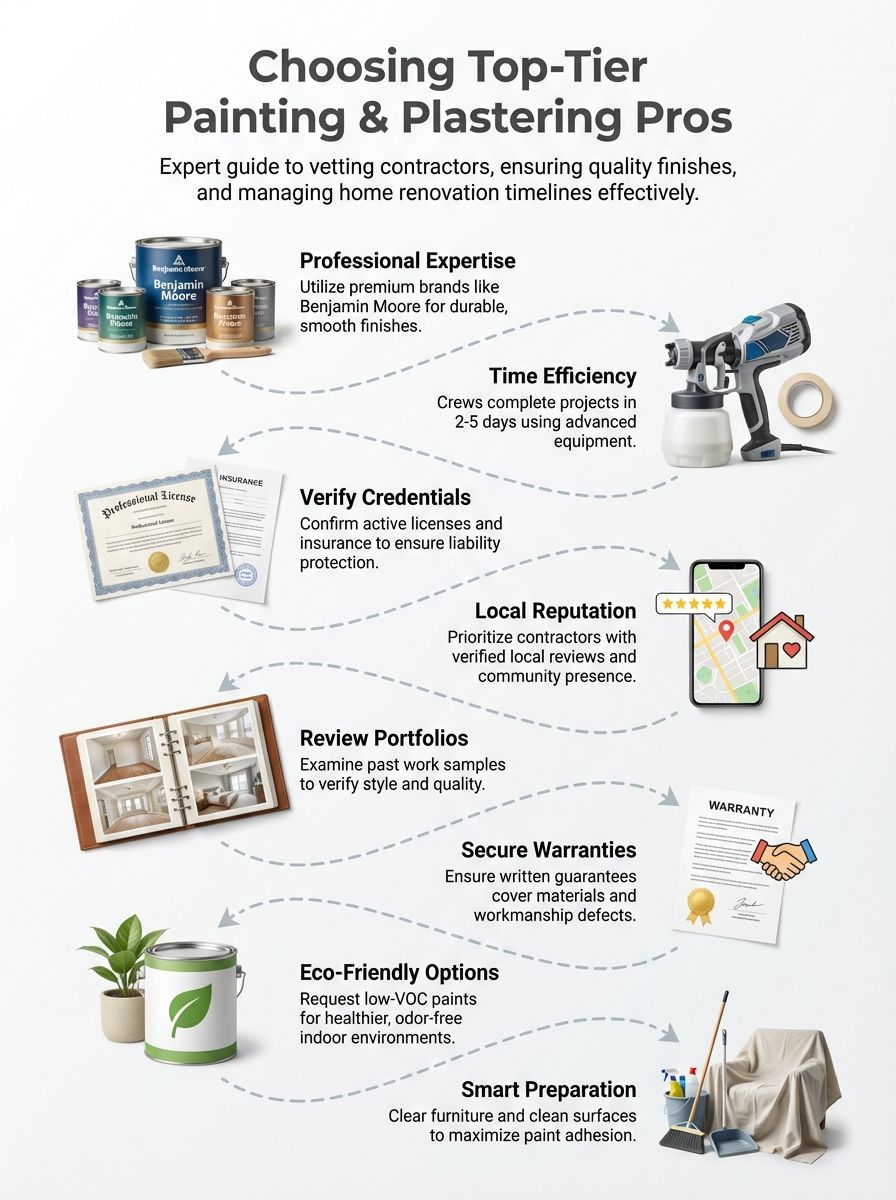
- Verify license, insurance, and written contract; ask for portfolios, references, and a written warranty (example: one-year coverage) before hiring.
- Expect skilled crews with up to 30 years’ experience using brands like Benjamin Moore, Dunn-Edwards, and Pratt & Lambert.
- Get three written quotes; typical costs range $2-$6 per square foot for painting and plastering projects.
- Professional jobs often finish in 2 to 5 days, include thorough prep and cleanup, and offer follow-up inspections.
- Choose local pros for code knowledge, faster response, supplier access, and eco-friendly low‑VOC paint options for healthier air.
Pricing varies by scope and building logistics, but consumer cost guides for New York City frequently place interior painting in that $2-$6 per square foot range. (As of the late-2025 update from Angi for New York, NY.)
Why Hire Professional Painting and Plastering Services
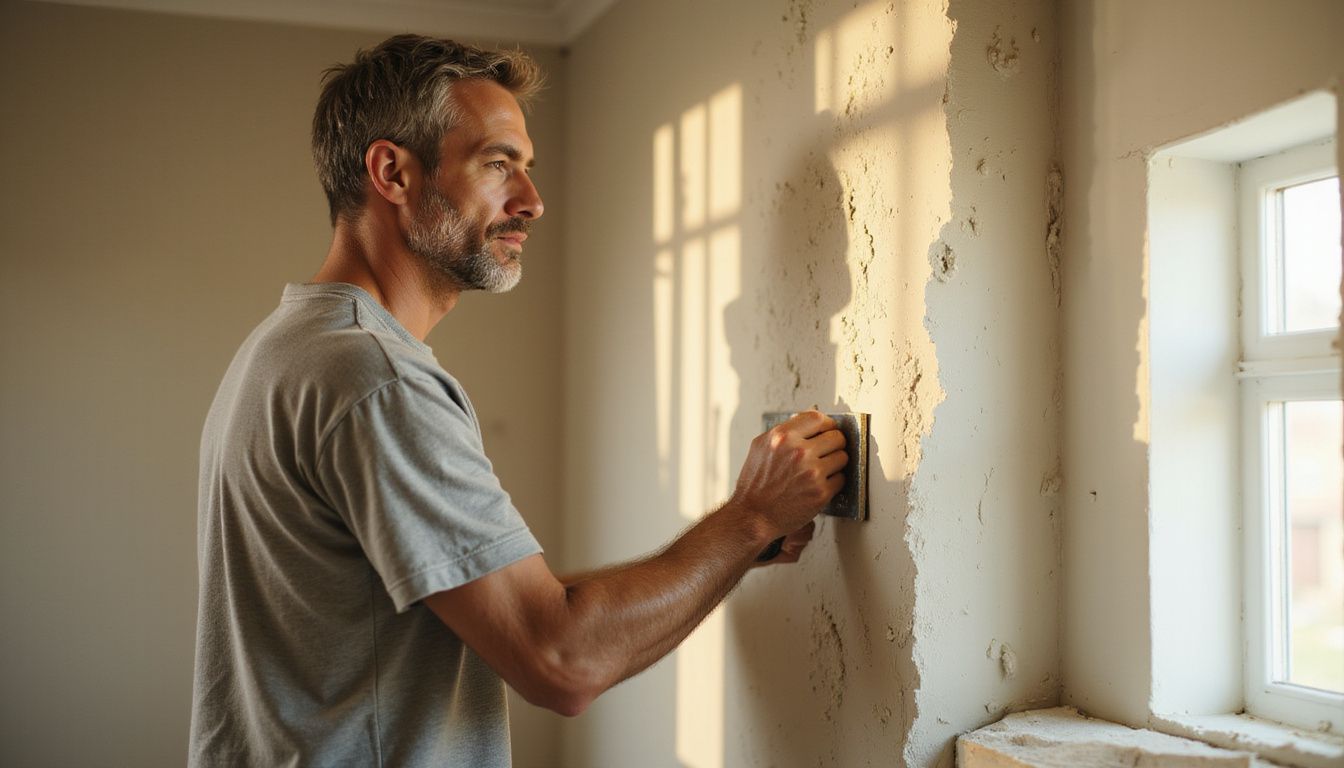
Hiring professional painting and plastering services is less about “nice paint” and more about risk control. You are paying for correct prep, correct products, and a repeatable process that holds up on real NYC walls.
If your home was built before 1978, ask directly about lead-safe work. The EPA’s Renovation, Repair and Painting (RRP) Rule sets requirements for paid work that disturbs painted surfaces in pre-1978 housing, and reputable firms will be ready to explain their certification and containment approach. (Per the US EPA RRP program guidance.)
Watch a short painting and plaster repair walkthrough (video)
- Better surfaces: Cracks, bubbles, and soft spots get stabilized before paint goes on.
- Fewer surprises: Pros can spot moisture issues, failed old paint, and “quick fixes” that will reappear.
- Cleaner job sites: Containment and dust control protect floors, furniture, and HVAC returns.
- Stronger schedules: You get a plan that accounts for drying time, access, and building hours.
What expertise do professionals have in finishes and repairs?
Pros do not treat every wall the same. They diagnose what you actually have, old plaster, patched drywall, skim-coated surfaces, glossy layers, then choose the repair method that will not telegraph through the finish.
In prewar apartments, the most common failure I see is paint applied over weak, chalky plaster or an old, dusty surface. A good crew will seal and stabilize first, then prime, then paint.
Ask for a simple “repair map” during the walkthrough, and have them point out what gets filled, what gets skimmed, and what gets reinforced. If they cannot explain it in plain language, expect problems later.
- Cracks: Determine if it is a hairline finish crack or movement that needs reinforcement.
- Loose plaster: Reattach or remove and rebuild, do not paint over hollow areas.
- Stains and bleed-through: Use a stain-blocking primer, not extra topcoat.
- Transitions: Blend plaster-to-drywall repairs so they disappear under side lighting.
How do professional services save time and improve efficiency?

Speed comes from planning, not rushing. A professional schedule builds in access time, drying time, and daily cleanup, then sequences rooms so you can keep living in the space.
NYC buildings add a layer of logistics that many homeowners forget to ask about. A strong contractor will confirm work hours, freight elevator reservations (if needed), debris routes, and whether your building requires a certificate of insurance before tools arrive.
- What days and hours can the crew work in your building?
- How many workers will be on site each day?
- Which rooms get completed first so you can function at home?
- What is the plan for daily dust control and end-of-day reset?
Crews often finish straightforward interiors in 2 to 5 days, but the real win is predictability. You should know what happens each day before the job starts.
Why do professionals use higher-quality materials and techniques?
The paint brand matters, but the system matters more. On NYC plaster, the right primer, the right patch material, and the right sanding approach often decide whether you get a smooth, uniform sheen or flashing and peel-back.
Professionals commonly choose brands like Dunn-Edwards, Benjamin Moore, and Pratt & Lambert because the products are consistent and the spec sheets are clear. That makes it easier to control coverage, touch-ups, and washability.
If you want fewer odors and faster return-to-use, ask about low-VOC and zero-VOC options in the exact sheen you want. Also ask how they handle primers on repaired plaster so the finish coat does not show patch outlines under daylight.
If your inspiration includes traditional limewash looks you have seen from plastering & painting services in Melbourne, bring photos. The finish is achievable in NYC, but the wall prep and product choice must match the look.
Key Services Offered by Painting and Plastering Professionals
Local painting and plastering services typically cover interior and exterior painting, plaster repair, drywall installation, skim coating, and decorative finishes. The right team will also help you decide what is repairable and what should be rebuilt.
If you want to see the difference between a quick patch and a proper wall reset, start by asking for before-and-after examples from projects similar to your home.
See a painting and plastering overview (video)
What interior and exterior painting services are available?
Interior painting can include walls, ceilings, trim, doors, cabinets, and detail work around radiators and old moldings. In the NYC Metropolitan Area, it often also includes repair work because paint rarely fails alone, the substrate fails first.
I have 25 years of hands-on experience, and I still treat “prep” as the real job. Paint is the last step.
- Interior: Wall and ceiling painting, trim and door finishes, cabinet refinishing, wallpaper removal, move-in move-out painting.
- Exterior: Facades, trim, railings, stoops, and weather-exposed details, plus surface repairs before coating.
- Common add-ons: Deck staining, power washing, minor carpentry touch-ups.
If indoor air quality matters to you, ask about eco-friendly, low-VOC paints and how the crew will ventilate and protect adjacent rooms during sanding and priming.
Quality finishes start with skilled hands and the right materials.
Exterior services in NYC can also include historic-home preservation work, where matching texture and sheen matters as much as color. Ask your contractor how they handle stucco repairs, patched areas, and uneven substrates so the new finish blends from the sidewalk.
What does plastering and skimming involve?
Plastering and skimming both create smooth surfaces, but they solve different problems.
- Plaster repair: Rebuild damaged areas, reattach loose sections, and blend edges so the wall is stable.
- Skim coating: Apply thin layers to level a wall, remove texture, or hide a history of patching.
- Bonding step: Many pros use a bonding agent and reinforcement where cracks can re-open.
If you ask, “can I paint drywall without plastering,” the honest answer is yes, if the drywall finishing is excellent. In real apartments, a skim coat is often the difference between “good enough” and a truly flat, high-end wall, especially under side lighting.
For veneer-style plaster systems, product data sheets commonly list application thicknesses in the 1/16-inch to 3/32-inch range, which is why surface prep and drying checks matter so much. (This thickness range is listed on USG veneer plaster product information.)
How is drywall installed and repaired by professionals?
Drywall work looks simple until you see it under a spotlight. Pros measure, fasten, tape, and finish in a way that keeps seams invisible and corners straight.
- Material selection: Standard board, moisture-resistant board for wet areas, or abuse-resistant options for high-traffic spaces.
- Finishing levels: The crew should match the finish level to your lighting and paint sheen.
- Repairs: Cut back to solid material, patch, tape, build coats, sand, then prime for uniform paint absorption.
If you want to paint drywall without plastering, insist on proper priming and a final inspection with strong side lighting. That is how you catch seams before the topcoat locks them in.
What decorative finishes and limewash applications can I choose?
Decorative finishes can add depth without busy patterns. The key is choosing a finish that matches how you live, and how much durability you need.
- Limewash and mineral finishes: Breathable looks with soft variation, popular for historic-style interiors.
- Venetian plaster style finishes: Polished depth for feature walls and focal areas.
- Texture control: Skip trowel, smooth trowel, or subtle movement, based on your lighting.
- Wet-area solutions: If you want plaster in bathrooms, ask about systems designed for water resistance and proper substrate prep.
If you bring inspiration photos, I can usually tell you within minutes whether it is a paint technique, a plaster technique, or a combination of both.
How to Choose the Best Painting and Plastering Services Near You
Choosing the best painting and plastering services near you is mostly a verification exercise. You are checking that the contractor is legal, insured, organized, and capable of producing the finish you want in your type of building.
Watch what to look for when hiring a painter (video)
How can I check for licensing and insurance?
Start with licensing. In NYC, a Home Improvement Contractor (HIC) license is a common requirement for residential home improvement work, and you can verify it through the City’s license lookup.
Then verify insurance in writing. Do not accept a verbal “we are covered.” Ask for current proof and confirm the dates match your planned project window.
DCWP’s HIC license requirements also reference items like proof of workers’ compensation coverage and either a trust fund enrollment or a $20,000 surety bond option, plus EPA certification documentation or an affirmation depending on the type of work performed. (Listed in NYC DCWP home improvement contractor license application materials.)
- General liability: Covers property damage and third-party injury claims.
- Workers’ compensation: Protects you from becoming the fallback payer if someone gets hurt.
- Disability coverage: Commonly required for New York contractors.
- Building requirements: Co-ops and condos may require the building and managing agent to be listed in specific ways.
Why is local experience and reputation important?
Local experience is practical, not just marketing. NYC homes include prewar plaster, seasonal humidity swings, and building rules that can stop a project cold if your contractor is unprepared.
Reputation matters because finishing work is personal. Your contractor will be in your home for days, and the smoothest jobs come from crews that communicate clearly and respect the space.
- Ask for references from your borough or a similar building type.
- Ask what problems they see most often in NYC apartments, then listen for specifics.
- Ask how they protect floors, contain dust, and handle daily cleanup.
How do I find and evaluate customer reviews and testimonials?
Use reviews to confirm patterns, not perfection. One bad review happens. Repeated complaints about missed start dates, sloppy prep, or poor communication are a warning.
- Look for detail: Reviews that mention rooms, surfaces, and outcomes are more useful than generic praise.
- Look for recency: Prioritize feedback from the last 6 to 12 months when possible.
- Look for resolution: A contractor who fixes issues fast usually describes that process.
- Watch for the same complaint: Late arrivals, dust, surprise charges, or rushed touch-ups.
You may see contractors like Nu Coat Painting mentioned in local reviews. Treat that as a starting point, then verify license, insurance, and portfolio before you decide.
How do I request and review a portfolio of completed projects?
A portfolio should prove the contractor can do your exact job, not just any job. Ask for examples that match your wall type (plaster vs drywall), your lighting (big windows vs dim rooms), and your finish level (matte vs eggshell vs semi-gloss).
| What to look for | Why it matters in NYC homes |
|---|---|
| Straight cut lines at ceilings and trim | Uneven plaster and old molding make sloppy lines obvious |
| Before-and-after repair photos | Prep quality shows up later as smoothness and uniform sheen |
| Close-ups under side lighting | Side lighting exposes patch outlines and sanding flaws |
| Similar building types | Prewar plaster, co-op rules, and access issues change the approach |
If possible, ask to see one active job in progress. A clean, organized site is often the best predictor of a clean final result.
What should I know about warranties and guarantees?
A warranty is only helpful if it is written and specific. You want to know what is covered (peeling, blistering, visible flashing), what is excluded (new water leaks, building movement), and how quickly the contractor responds.
- Get the warranty term in writing before you sign.
- Confirm whether materials and labor are both covered.
- Ask what the process is for touch-ups after move-in or furniture placement.
- Save your contract, color schedule, and invoice in one folder for future claims.
I once had a team return a month after painting plastered walls. They fixed a small peel at no cost, and that follow-up support is exactly what a real warranty should look like in practice.
Factors to Consider When Hiring a Service Provider
When you compare providers, focus on clarity. Clear scope, clear prep plan, clear schedule, and clear exclusions are what keep plastering and painting projects from turning into arguments.
How do I get accurate cost estimates and transparent pricing?
Get at least three written quotes and insist on itemized scope. In NYC, that is how you catch the “cheap” bid that quietly removed prep, priming, repairs, or cleanup.
Consumer pricing guidance for New York, NY commonly estimates interior painting at $2 to $6 per square foot, and it also notes that surface prep can add about $0.50 to $0.75 per square foot in older homes. (As stated in Angi’s New York, NY interior painting cost guidance updated November 22, 2025.)
| Estimate line item | What “good” looks like | What can go wrong |
|---|---|---|
| Prep and repairs | Specific patching, sanding, caulking, and priming steps | Walls look wavy or patchy after paint dries |
| Primer plan | Primer type and where it is used (repairs, stains, bare plaster) | Flashing, peeling, bleed-through |
| Paint system | Brand, line, sheen, number of coats, and where | Thin coverage, uneven sheen, early wear |
| Protection and cleanup | Floor protection, furniture protection, daily cleanup, final cleaning | Dust everywhere, damaged floors, tense walkthrough |
| Change orders | Pricing method for added work | Surprise bills mid-project |
Why is availability and project timeline important?
Availability sets your start date, but the timeline controls your stress level. In NYC, a good timeline also accounts for building rules, quiet hours, elevator access, and deliveries.
Ask for a written schedule with milestones, not just “we will be done by Friday.” You should know when repairs happen, when priming happens, when paint happens, and when touch-ups happen.
- Start date and finish date
- Daily work hours and building access plan
- Which rooms get completed first
- How many days are reserved for repairs and drying time
What are the benefits of using eco-friendly materials?
Eco-friendly does not mean fragile. Many modern low-odor lines perform well, and the right choices can make living through the project much easier.
- Lower odor: Easier for families, pets, and people working from home.
- Faster return-to-use: Better ventilation and lower odor often mean less disruption.
- Better indoor air strategy: You can pair low-VOC paint with dust control for a cleaner project.
If you want a specific example to discuss with your contractor, ask about Sherwin-Williams Harmony for a zero-VOC interior line that is marketed with odor and indoor air quality features, and ask what primer they pair it with on repaired plaster.
What cleanup and post-service support can I expect?
A clean job is planned, not improvised. Expect floor protection, plastic barriers where needed, careful masking, and a reset at the end of each day.
- Daily vacuuming and wipe-downs in work zones
- Trash removal and safe disposal of debris
- Final walkthrough with punch list and touch-ups
- Written warranty and a simple process for follow-up issues
If you have kids, allergies, or sensitive HVAC, ask what steps they take to keep dust out of vents and out of adjacent rooms.
Benefits of Hiring Local Painting and Plastering Professionals
Local painting and plastering services can move faster, solve sourcing problems quickly, and keep you aligned with local rules. In NYC, that often matters as much as the paint itself.
It also helps when your project overlaps with permits, access constraints, or exterior equipment requirements like sidewalk sheds and scaffolding.
Local painting and plastering services know NYC building codes, respond fast, use quality materials, and give personal service that protects your home, learn more.
How do local professionals provide faster response times?
Local crews can often start sooner, especially for targeted repairs and repainting. They also know the suppliers in the boroughs and can match materials without losing days to shipping delays.
That speed shows up in small ways that matter, like faster touch-ups, fewer “missing material” pauses, and better coordination with building management.
Why is knowledge of local building standards beneficial?
Painting and plastering work is often exempt from permits, but contractors still need to follow the right local rules for the kind of work being done and the type of building you live in.
The NYC Department of Buildings notes that painting and plastering are examples of work that can be done without a permit, while also reminding homeowners that contractors performing these home improvements must be licensed through DCWP. (As stated on NYC DOB “Do I Need a Permit?” guidance.)
For exterior work that needs equipment, the rules change fast. For example, NYC DOB states that a permit is required prior to erecting a sidewalk shed, or a supported scaffold over 40 feet in height. (Per NYC DOB scaffold and shed permit guidance.)
How does personalized customer service improve the experience?
Personalized service usually means tighter communication. You get quicker answers on color samples, repair surprises, and schedule changes, which helps you avoid delays and rushed decisions.
It also makes the walkthrough more useful. A local pro can point out what is typical for NYC plaster and what is unique to your unit.
Tips for Getting the Best Results from Your Painting and Plastering Project
The best results come from alignment: the same picture in your head, in the contractor’s head, and in the written scope.
If you want a finish that looks right in daylight and at night, plan around lighting, sheen, and wall condition from day one.
How can I clearly communicate my vision to the professionals?
I tell clients to define three things before we talk paint: the mood, the durability needs, and the timeline constraints.
- Mood: Warm vs cool, calm vs high energy, modern vs historic.
- Durability: Kids, pets, high-traffic halls, kitchen grease zones.
- Timeline: Move-in dates, events, building work hours, quiet hours.
Bring photos, a short list of “must keep” items (floors, trim color, existing stone), and your non-negotiables. Then ask your contractor to repeat the plan back to you in their own words.
What should I do to prepare my space before work begins?
Prep is a team sport. The more you clear and protect up front, the smoother the project runs.
- Remove fragile items, wall art, and small furniture.
- Plan a staging area for larger furniture that stays.
- Confirm where tools and materials can be stored in the apartment.
- Point out HVAC returns and any areas that must stay dust-free.
- Decide in advance where you can live during the loudest days (sanding and repairs).
If you plan to paint drywall without plastering, confirm that seams are fully finished, sanded, and primed, then inspect with strong side lighting before the first topcoat.
What maintenance tips help ensure long-lasting results?
Maintenance is simple. Clean gently, fix small problems early, and keep water where it belongs.
- Wipe scuffs with a soft cloth and mild cleaner that matches the paint’s cleaning guidance.
- Address leaks fast, water damage ruins plaster and paint from the inside out.
- Keep leftover labeled paint for touch-ups, including room and sheen notes.
- Do a quick seasonal check in high-wear areas like halls and kitchens.
If low-VOC is a priority, read the label for VOC content and confirm the product matches New York rules. For example, New York’s architectural coating standards include VOC limits of 50 g/L for flat coatings and 100 g/L for nonflat coatings for products manufactured on or after January 1, 2021. (As listed in New York State regulations, 6 NYCRR Part 205.)
LastWords
Choose painting and plastering services that show real experience, clear pricing, and a written plan for prep, repairs, and cleanup.
In the NYC Metropolitan Area, verify licensing and insurance, read local reviews, and insist on a portfolio that includes plaster repairs and painting plastered walls in buildings like yours.
If your style references include particular plastering & painting services, bring photos and ask how the contractor will achieve that finish with the right products for NYC conditions.
Call a local crew, schedule a quote, and protect your home with a solid written warranty.
FAQs
1. How do I pick reliable painting and plastering services near me?
Look for clear quotes, licenses, and recent photos of work, ask for references and read reviews. Choose professionals who give a written plan and a warranty, then contact them for a free quote.
2. Can i paint drywall without plastering?
Yes, you can paint drywall without plastering if the joints are taped and the surface is smooth, use a primer first. Patch any dents, then paint, or hire a pro if you want a perfect finish.
3. What is the best way to learn how to paint on plastered walls?
Clean the surface, sand lightly, then apply a high-quality primer, use paints made for masonry and work in thin coats. For painting plastered walls that show cracks, repair or skim first, call a professional for large jobs, flawless finish, lasting results.
4. Do local companies offer full plastering and painting work, and can they help with specific needs?
Yes, many firms do plastering and painting as one service, they handle repairs, prep, and final coats, saving you time and hassle. If you are in Victoria, look for plastering & painting services in melbourne, request a quote today, choose a team that stands by their work.