
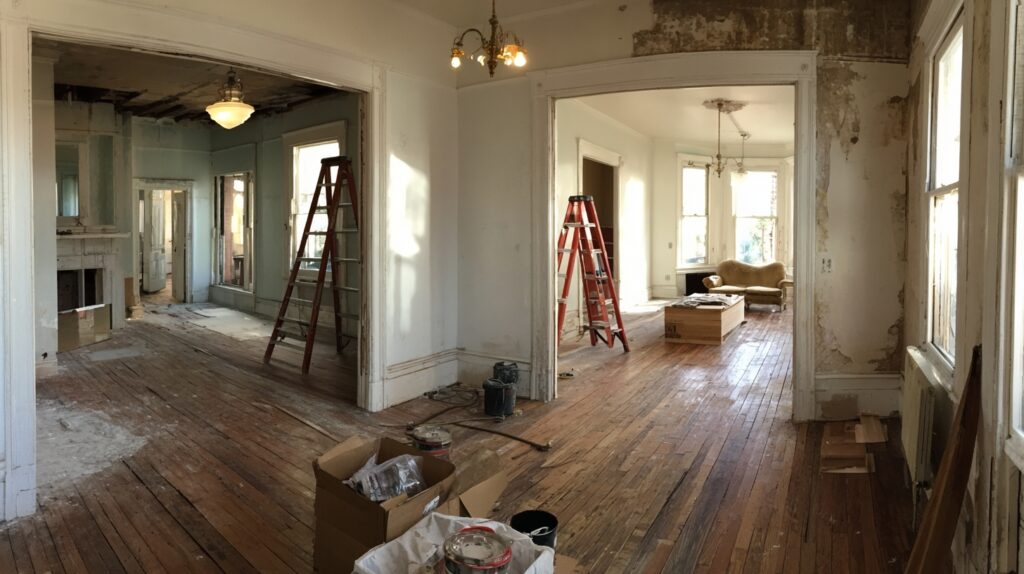
If you are remodeling an older home in the NYC metropolitan area, the biggest mistakes usually happen before the pretty part starts. They happen when homeowners jump into finishes before checking structure, moisture, hazardous materials, permit triggers, and aging mechanical systems. That is how a project that looked straightforward on paper turns into a slower, more expensive remodel once walls open up.
The right order is simpler and less glamorous: inspect the house first, stabilize the shell, deal with hazards, plan system upgrades, protect the original character that still adds value, and only then spend heavily on kitchens, bathrooms, trim, and paint. Old-home remodeling works best when the goal is not to erase age, but to keep what makes the house worth loving while fixing what makes it hard to live in.
This guide explains how to assess an older home properly, which repairs deserve priority, how to preserve architectural character without turning the house into a museum, how to modernize it for comfort and function, and how to build a budget that still works when the walls come open.
What Matters Most Before You Start
- Inspect in the right order: structure, moisture, hazardous materials, then mechanical systems.
- Do not disturb finishes blindly: older homes may contain lead-based paint and asbestos-containing materials.
- Fix the shell before the surfaces: drainage, roof leaks, framing issues, and foundation movement come before cosmetic upgrades.
- Plan electrical, plumbing, heating, cooling, and ventilation early: these decisions shape walls, ceilings, cabinetry, and permits.
- Preserve original details where possible: floors, windows, moldings, stair parts, and trim are often harder to replace well than homeowners expect.
- Budget for hidden conditions: a contingency of 20% to 30% is often realistic for older homes.
Start With the Existing Conditions, Not the Finish Selections
The first job in an old-home remodel is learning what the house is trying to tell you. Sagging floors, cracked plaster, sticking doors, musty odors, recurring leaks, loose railings, and drafty windows are not isolated annoyances. They are clues. They often point to structural movement, moisture problems, aging materials, or system failures that need to be understood before the remodel gets expensive.
A practical first pass is simple: walk the house room by room with a notebook and your phone, then check the exterior, basement or crawlspace, attic, and roof drainage. Look for movement, stains, soft wood, peeling paint, uneven floors, and signs that previous repairs have already failed once. In the NYC area, the early review should also answer two local questions: whether the property sits in a historic district and whether the scope is likely to trigger DOB filings, environmental testing, or both.
This step is not meant to replace professional inspections. It is meant to make them more useful. The better your observations are at the start, the easier it is for the right contractor, engineer, architect, or environmental consultant to tell you which issues are cosmetic and which ones belong at the front of the budget.
Inspect Structure and Moisture Before Anything Else
Old homes can tolerate a surprising amount of age, but they do not forgive ignored movement or water. That is why structure and moisture deserve priority over finishes every time. If the shell is unstable, every later dollar becomes less efficient because the remodel may have to reopen work that should have been protected from the start.
Start by looking for horizontal cracks, stair-step masonry cracks, bowing walls, springy floors, soft joists, sagging beams, efflorescence, damp basement walls, and recurring seepage after rain. Check gutter discharge points and yard grading before assuming the foundation itself is the first problem. Water often starts the trouble, then the house expresses that trouble through cracks, sticking windows, sloped floors, and weakened wood.
- Horizontal cracks or bowing walls: may indicate structural pressure or movement.
- Damp basement walls or standing water: often point to active moisture intrusion and drainage issues.
- Soft joists, rotten sill plates, or springy floors: may indicate rot, insect damage, or undersized framing.
- Doors and windows that changed recently: can signal settlement or movement made worse by moisture.
Document what you see with dated photos and quick sketches. Measure crack widths. Note whether patched areas have reopened. That keeps later conversations grounded in facts instead of vague impressions. Small hairline cracks without moisture may simply need monitoring and repair. Repeated seepage, bowing, reopened masonry cracks, or movement paired with sticking doors and sloped floors deserve faster professional attention.
Check for Lead, Asbestos, and Other Hazard Triggers Before Demolition
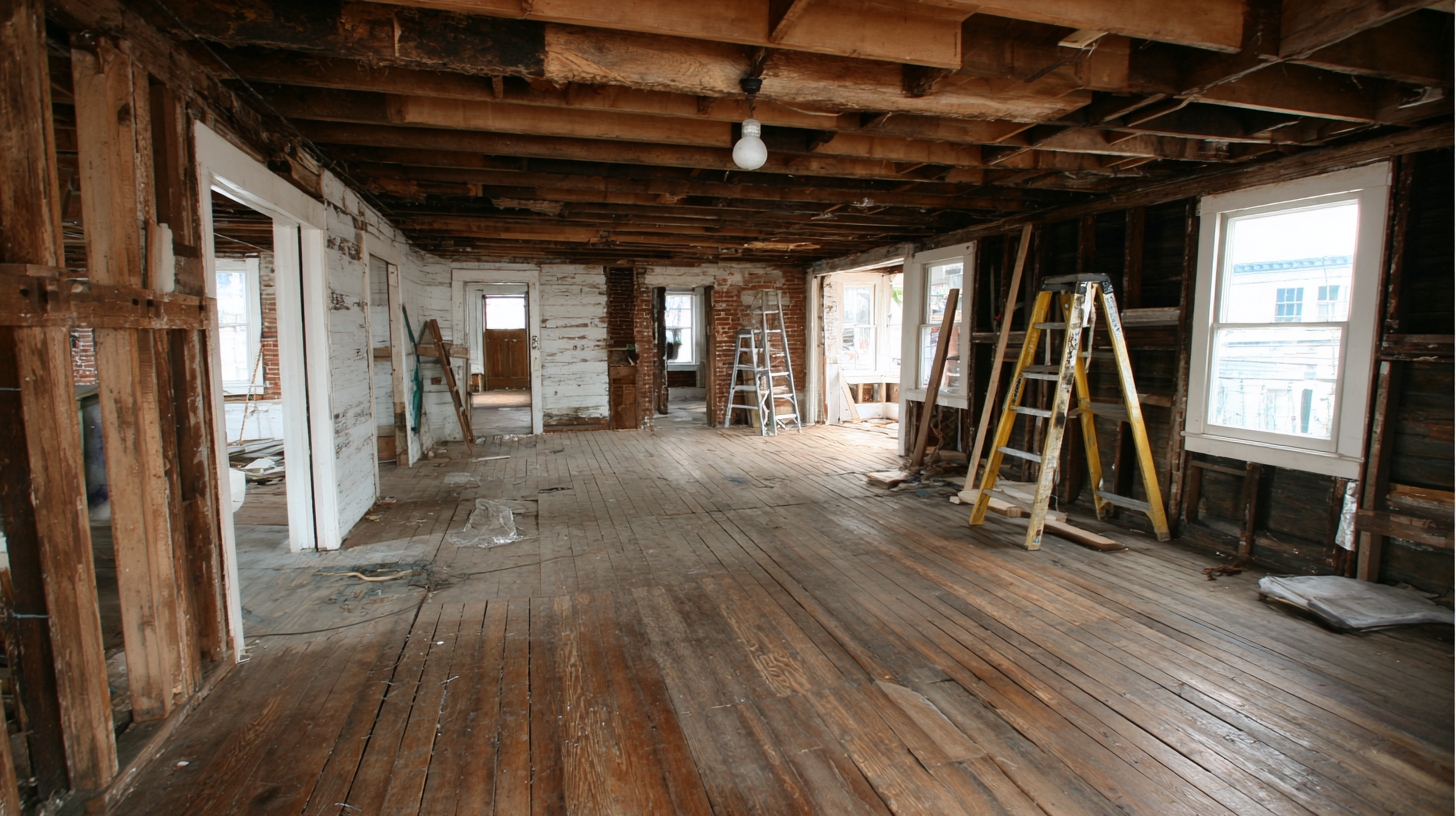
Once the basic structural picture is clearer, the next priority is hazardous materials. This is one of the fastest ways an old-home remodel can change from “cosmetic” to “serious” overnight. Older painted surfaces may contain lead. Old floor tile, mastic, pipe insulation, siding, plaster compounds, and textured finishes may require asbestos review before disturbance. If that work is discovered late, the schedule and the permit path can shift fast.
For practical planning, older homes should be treated cautiously before painted trim, windows, doors, plaster walls, or older finish materials are disturbed. If testing or surveys are needed, get them done before demolition, not halfway through it. Keep reports, lab results, clearance documentation, and any related filings in one place so the contractor, architect, and permit team are not all hunting for them later.
- Flag the build year early. Older homes deserve more caution, not less.
- Treat peeling paint around windows, stairs, and baseboards as high-risk until proven otherwise.
- Assume older finish materials may require asbestos review if they will be disturbed.
- Do not turn testing into a side quest after demolition has started.
Nothing about this step is exciting, but it protects health, schedule, and budget. That is a solid trade.
Evaluate Electrical, Plumbing, and HVAC Before Walls Close Again
Old-home remodeling gets expensive when mechanical systems are evaluated too late. You want a clear picture of electrical capacity, plumbing condition, drainage health, ventilation, and heating and cooling performance before new walls, cabinets, insulation, and tile lock everything back in place. This is where many remodels either become smarter or become repetitive.
Electrical red flags include outdated service, crowded panels, fuse boxes, ungrounded circuits, scorched outlets, or wiring types that no longer support modern loads well. Plumbing red flags include galvanized supply piping, weak pressure, rust-colored water, slow drains, old shutoffs, or sewer backups. HVAC and ventilation issues often show up as stale air, uneven rooms, unvented baths, overheated upper floors, or no practical cooling strategy at all.
- Electrical: settle panel capacity, new loads, dedicated circuits, and lighting strategy early.
- Plumbing: replace or reroute aging lines before cabinetry, plaster repair, and tile make access expensive.
- Sewer: a camera scope is often cheaper than guessing.
- HVAC and ventilation: duct routes, condensate lines, bath fans, and cooling strategy affect framing, insulation, and ceiling design.
If you are adding induction cooking, mini-splits, laundry, or electric-vehicle charging, do not leave the load calculation for later. That one step prevents a lot of redesign and finger-pointing once the project is moving.
Prioritize Structural Repairs Before Cosmetic Work
Start with the bones. Foundation issues, framing repairs, roof leaks, drainage failures, and water-damaged wood belong ahead of trim, paint, fixtures, and decorative upgrades. The logic is simple: cosmetic work is the easiest part of the project to admire, and the most painful part to tear back out when hidden problems show up later.
Water usually deserves special attention because it damages more than one category at once. It weakens wood, stains plaster, complicates insulation, encourages mold, and turns minor defects into recurring repair cycles. Fixing roof runoff, grading, basement seepage, and drainage first often prevents several later problems from being mispriced as “finish corrections.”
- Fix roof runoff and yard drainage before blaming the foundation alone.
- Coordinate drainage and structural repair where water and movement are linked.
- Repair rotten sill plates, joist ends, and framing only after the moisture source is identified.
- Do not spend finish money on areas that still leak, move, or hold moisture.
Once the shell is stable, the rest of the budget works much harder. That is when finish work starts feeling like improvement instead of denial.
Upgrade Insulation, Air Sealing, and Ventilation Without Fighting the House
Insulation works best after leaks, roof issues, and moisture problems are under control. In old homes, air sealing and ventilation usually matter just as much as the insulation itself. Homeowners often imagine insulation as the main event, but comfort improves most when drafts, uncontrolled air movement, and moisture risks are addressed together.
Attic air sealing and insulation are often among the strongest early upgrades because they reduce heat loss without tearing apart the most visible parts of the house. Weatherstripping, targeted air sealing, storm-window strategies, and better bath ventilation also tend to pay off quickly. Where full ductwork would damage character, ductless systems or carefully zoned upgrades can sometimes improve comfort with less disruption.
- Attic air sealing and insulation: often the first high-payoff move.
- Weatherstripping and targeted air sealing: low-drama work that can improve comfort quickly.
- Storm-window strategies: often a better preservation move than rushed full replacement.
- Balanced ventilation or localized upgrades: especially useful once the house is tightened.
- Ductless systems: helpful where new full-duct runs would cause too much architectural damage.
The best energy-efficiency plans in old homes are usually the quiet ones: less draft, more comfort, fewer moisture problems, and less damage to original architecture.
Preserve Character Selectively, Not Sentimentally
You do not need to freeze an old house in time to respect it. The real goal is to preserve the architectural features that still give the house identity and value, then modernize the systems and daily-use areas in ways that do not flatten that character. Original floors, windows, trim, stair parts, door casings, medallions, and proportions often do more for the house than expensive new decorative materials trying to imitate them badly.
The best preservation work is selective. Keep the pieces that matter most visually and architecturally, then route new work through secondary spaces where possible. Basements, attics, closets, chase walls, and less prominent rooms often carry new wiring, plumbing, and mechanical improvements more gracefully than the primary architectural rooms do.
- Save original doors, trim, windows, floors, and stair parts when they are still repairable.
- Match new trim profiles and floor species to the era of the house instead of using generic replacements.
- Place grilles, mini-split heads, thermostats, and other visible modern elements where they do less harm to sight lines.
- Let exterior additions remain visually secondary when possible so the original structure still reads first.
A preservation-savvy contractor earns their value here. The right team does not treat old architecture as demolition waste. They treat it as part of the job’s value.
Refinish, Repair, and Restore Before You Replace Blindly
Original hardwood floors and vintage windows are good examples of where homeowners often underestimate what repair can achieve. Floors with surface wear may need less than full sanding. Windows with failed glazing, broken cords, or weatherstripping problems may still be worth preserving. In many old homes, the original material is better than the fast replacement product, even if it asks for more skill up front.
Refinish hardwood using the least aggressive method that still solves the problem. Repair windows before assuming full replacement is the only answer. Restore molding gently so the original profiles stay crisp. These decisions protect both the architecture and the budget because they reduce the risk of paying premium money for lower-grade substitutes later.
- Use screen-and-recoat when finish wear is light and the wood is still healthy.
- Reserve full sanding for deeper scratches, stains, or real finish failure.
- Inspect windows for rot, cords, glazing putty failure, and paint buildup before pricing replacement.
- Photograph and label parts so repairs stay organized across the house.
Repair first is not nostalgia. It is often just better judgment.
Modernize for Daily Life, Not for Trend Photos
Old homes usually improve most when every change solves a real daily-life problem. Better flow, stronger lighting, quieter rooms, more useful storage, safer bathrooms, and better kitchen function usually matter more than fashionable materials or dramatic gimmicks. Good modernization feels easier to live with, not louder to photograph.
Layout changes should be handled with restraint. Many old homes improve more from a few smart changes than from a total gut of every dividing wall. Open nonstructural pinch points first. Respect chimneys, bearing walls, stacked plumbing, and stair geometry before you decide the whole house needs to become one giant open box. Sometimes wider cased openings, partial dividers, built-ins, or better lighting give the homeowner the sense of openness they want without forcing the architecture to surrender all of its logic.
Kitchens and bathrooms should be updated with the same attitude. Improve storage, ventilation, circuits, fixture quality, moisture control, and cleaning ease. Choose durable surfaces that fit the scale of the house. Add efficient fixtures and lighting where they make daily use better. A quieter, better organized old home generally ages better than one chasing every trend that happened to be loud online that year.
Budget in Layers, Not as One Big Number
Old-home budgets work best when they are built in layers: must-fix structural work first, system upgrades second, preservation work third, and finishes last. That order keeps money pointed at durability and livability before appearance starts competing for every dollar. It also makes change-order discussions less chaotic because you already know which category the surprise belongs to.
A contingency of 20% to 30% is often realistic for older homes. Not because the contractor is guessing wildly, but because hidden conditions are genuinely more likely once demolition begins. Budget discipline also means watching the total investment in relation to the house and the neighborhood. The point is not to obey a simplistic formula blindly. The point is to make sure the project stays aligned with how long you plan to stay, what the block can support, and what the home will realistically return in comfort or value.
- Layer 1: structure, moisture, drainage, roof, and shell stability
- Layer 2: electrical, plumbing, HVAC, ventilation, and code-related upgrades
- Layer 3: preservation work such as floors, windows, trim, doors, and plaster repair
- Layer 4: kitchens, baths, lighting, paint, cabinetry, and finish-level decisions
- Contingency: keep it visible and untouched until the house proves it does not need it
Homeowners usually get into trouble when they spend Layer 4 money emotionally before Layer 1 is settled physically.
Use the Permit and Landmark Path Early, Not as a Cleanup Step
In the NYC area, permit and landmark questions can shape the entire project, especially in older neighborhoods and historically sensitive housing stock. Exterior changes, window replacements, stoop and railing work, additions, and even some interior scopes can become more complicated if the property is landmarked or sits in a historic district. Interior work that affects structure, egress, kitchens, bathrooms, load-bearing walls, or system changes may also require design-professional involvement and filings.
The key is not becoming a zoning scholar yourself. The key is pulling these questions into the project early enough that design, budget, and schedule still have room to adapt. Well-prepared applications and realistic expectations almost always move better than rushed filings built on half-set scope.
Choose a Remodeling Partner Who Actually Knows Older Homes
Older-home renovation is a different craft than a quick apartment refresh. The sequencing is tighter, the unknowns are bigger, and the work often demands more care around plaster, trim, nonstandard framing, patching, and finish matching. A contractor who is excellent at new finishes but careless around old architecture can cost you more than their lower bid suggests.
Look for a remodeling partner who can explain scope clearly, respects permit requirements, can show similar work, and understands how to modernize without flattening character. Verify licensing and insurance. Ask who supervises the site daily. Get a written contract with allowances, payment schedule, change-order process, permit responsibility, and cleanup expectations. Call recent clients with similar old-home work and ask what happened after demolition started. That question is often more revealing than the final reveal photos.
- Verify current licensing and insurance.
- Ask for similar old-home or historic-sensitive projects, not just generic remodels.
- Review how the contractor handles protection, patching, finish matching, and unknown conditions.
- Ask who supervises daily and whether key trades are employees or subcontractors.
- Do not confuse a pretty portfolio with strong old-house judgment.
Frequently Asked Questions
How do I start remodeling an old home?
Start with a full inspection strategy. Check structure, moisture, hazardous materials, and the condition of electrical, plumbing, and HVAC systems before committing to finish-heavy design decisions.
What should I preserve in an old home remodel?
Preserve the elements that give the house architectural identity and are difficult to replace well, such as original floors, windows, moldings, doors, stair parts, and trim, if they are still repairable.
Should structural repairs come before kitchens and bathrooms?
Yes. Foundation issues, drainage failures, framing problems, roof leaks, and moisture damage should be addressed before cosmetic upgrades so the finished work does not have to be reopened later.
How much contingency should I keep for an old home remodel?
For many older homes, a contingency of 20% to 30% is realistic because hidden conditions often appear once demolition begins.
How do I avoid delays and cost overruns?
Use the right order: inspect first, stabilize the shell, plan system upgrades early, verify permits and landmark requirements, get a detailed written scope, and work with a contractor who knows older homes well.
Bottom Line
The smartest old-home remodels do not begin with finishes. They begin with respect for the house as it actually is. Inspect first, stabilize structure and moisture, deal with hazards, settle the mechanical plan, preserve what gives the home character, and only then spend heavily on the visible layers. That order protects budget, architecture, and sanity at the same time.
If you get the sequence right, an older house can become more comfortable, more functional, and more durable without losing the details that made it worth saving in the first place.